The Essence of the Blacksmith Apron
Let's dive straight into the heart of the ancestral art of blacksmithing. When we think of a blacksmith, we often picture a soot-covered craftsman hammering glowing iron on the anvil. But beyond the anvil, the hammer and the forge, another essential element is part of this picture: the blacksmith's apron, also called a forge apron. The forge apron is much more than a simple garment. It is a genuine protective tool that every blacksmith needs.
The Forge Apron: A Shield Against the Elements
Forge work exposes the craftsman to many risks: intense heat, molten metal splashes, flying sparks and other dangers that come with handling white-hot metal. This is where the forge apron comes in. Usually made of thick leather, it acts as a protective shield against these dangers while allowing the freedom of movement the craftsman needs.
Choosing the Material: Leather
The material most commonly used for forge aprons is leather. Sturdy and heat resistant, leather offers proper protection against burns and cuts. There are, however, variations in the type of leather used. Cowhide is often preferred for its durability, while goatskin, which is softer, offers greater flexibility.
The Design of a Forge Apron
A forge apron is not just a rectangle of leather. Its design is the result of a careful blend of tradition and modernity. So even though each apron can be unique depending on the craftsman who wears it, certain features are generally shared.
Shape and Size
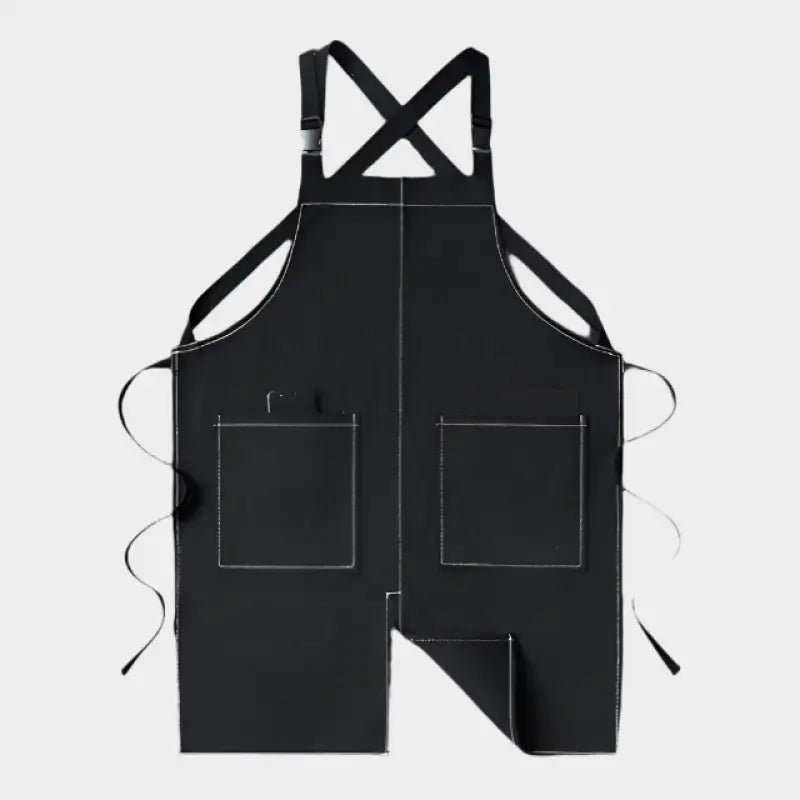
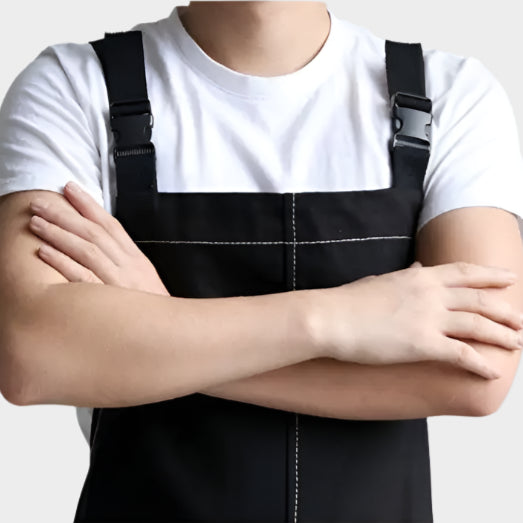
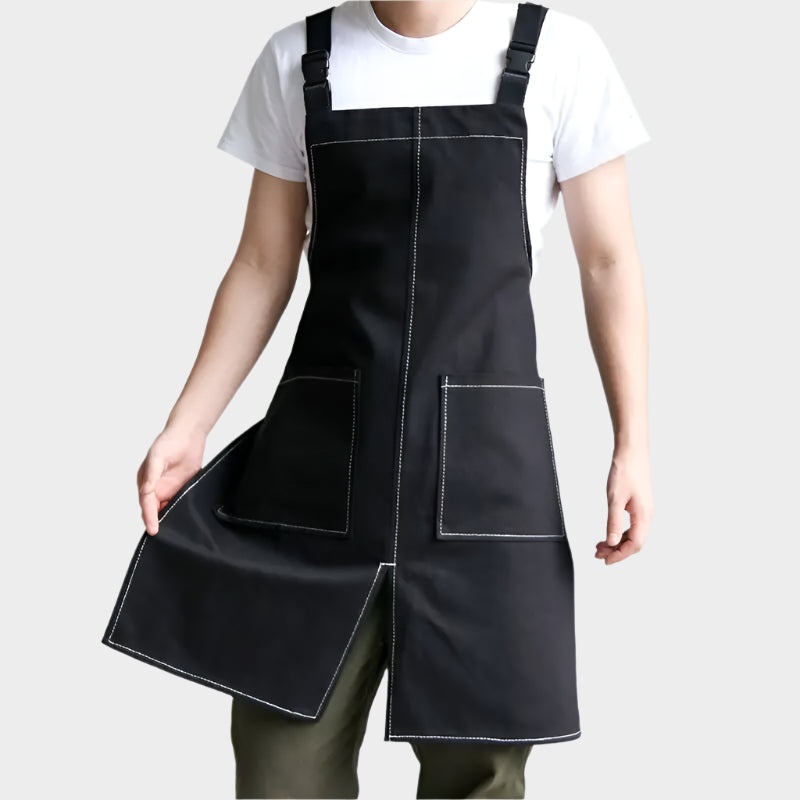
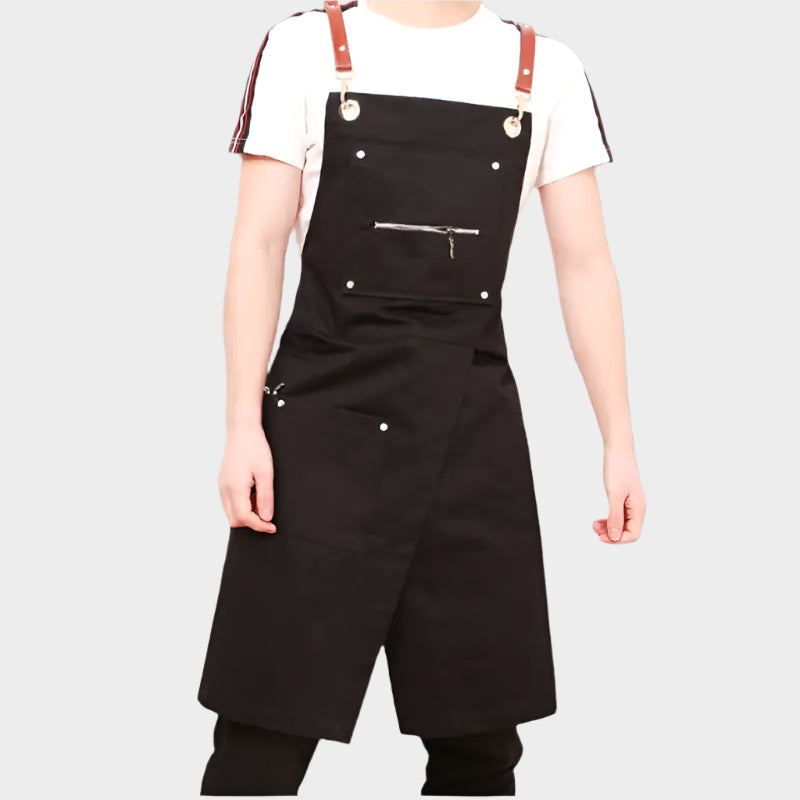
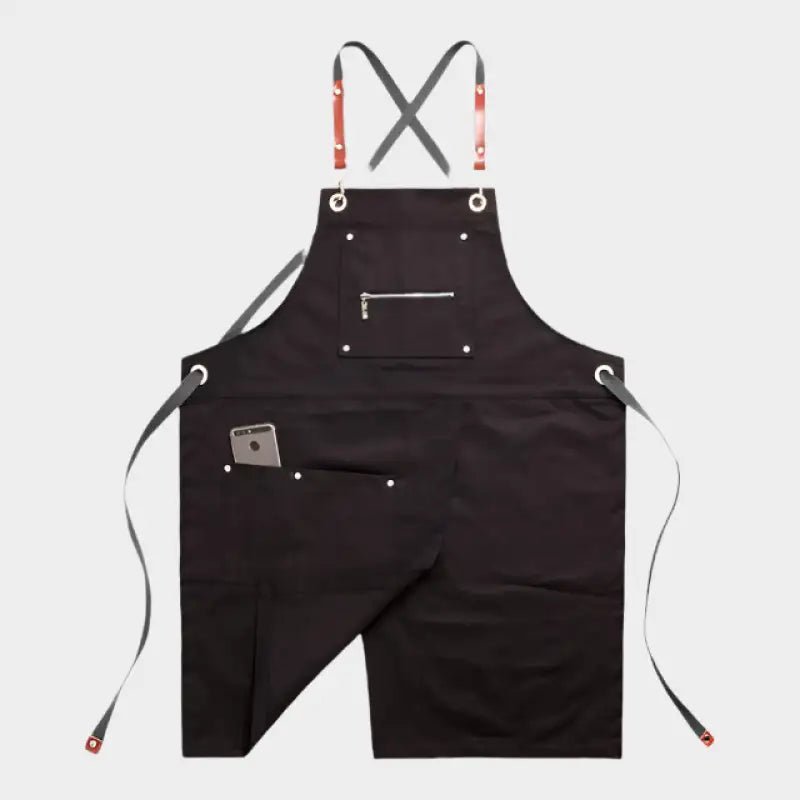
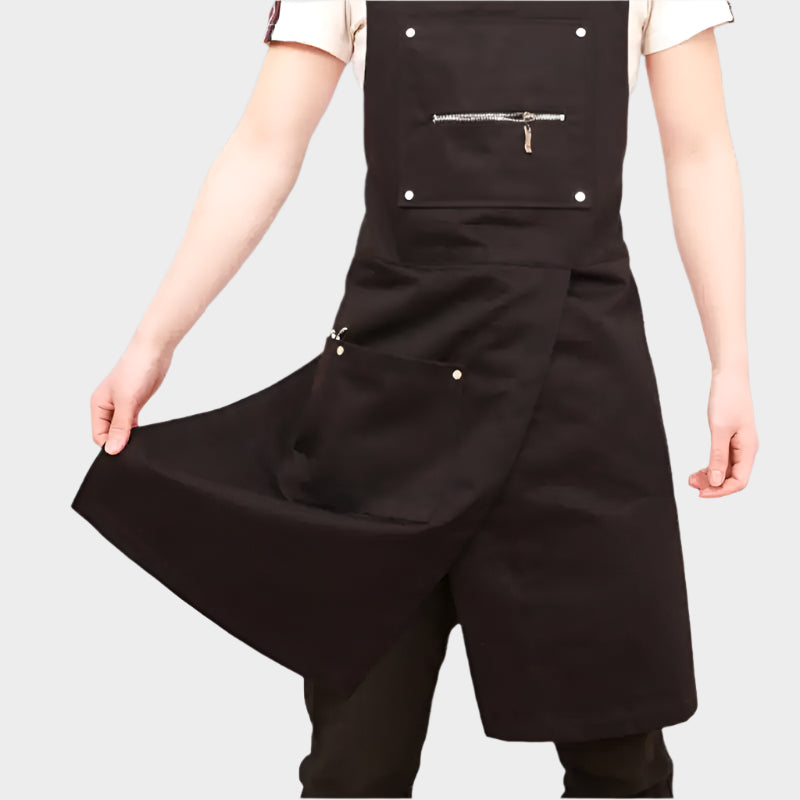
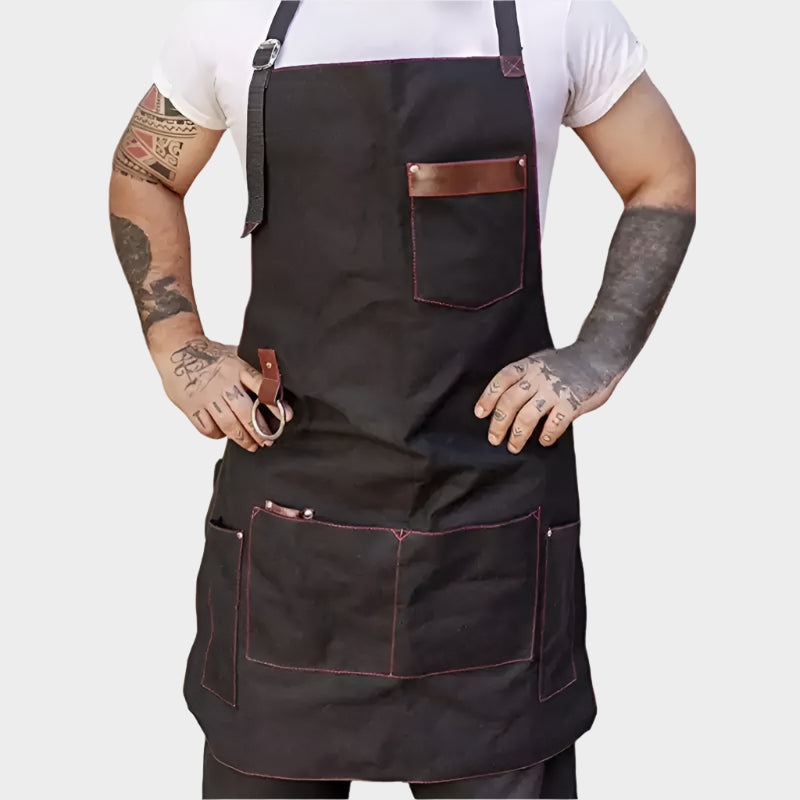
The shape and size of a forge apron are designed to provide maximum protection. The apron usually covers the craftsman's body from the chest to the knees and fastens at the back with leather straps. Slits are also often added at the sides to allow greater freedom of movement.
Additional Features
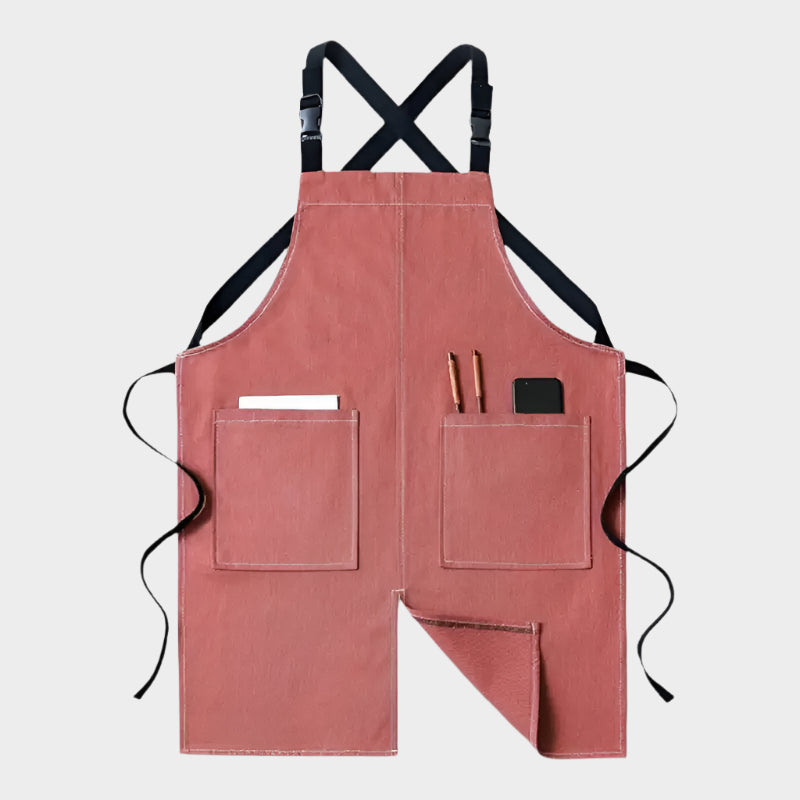
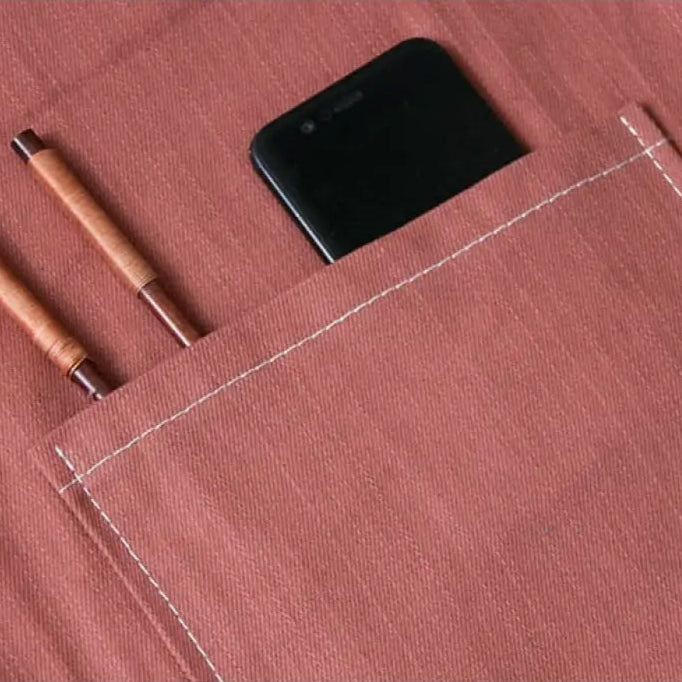
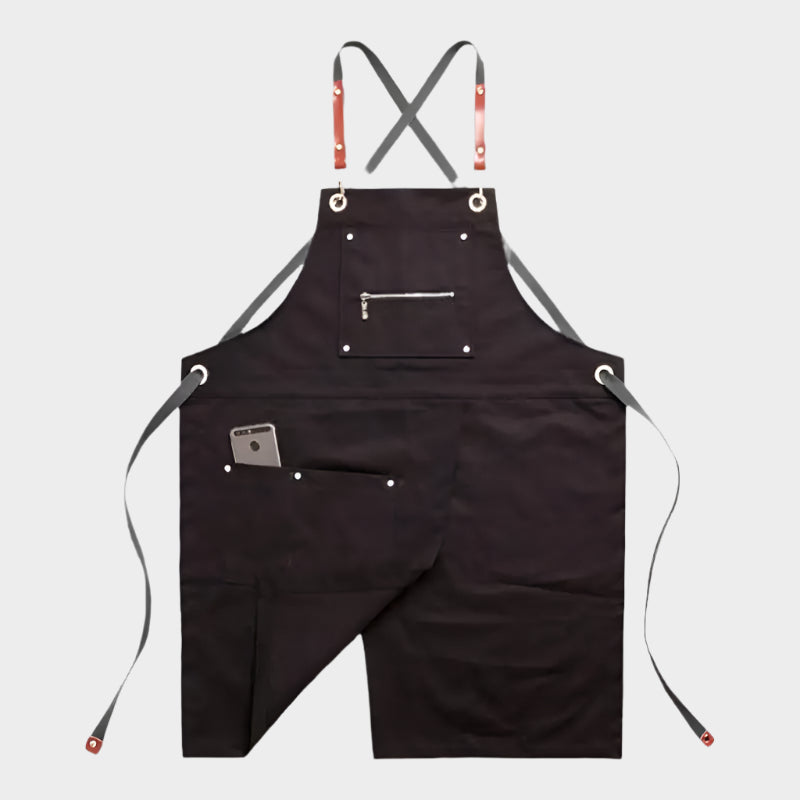
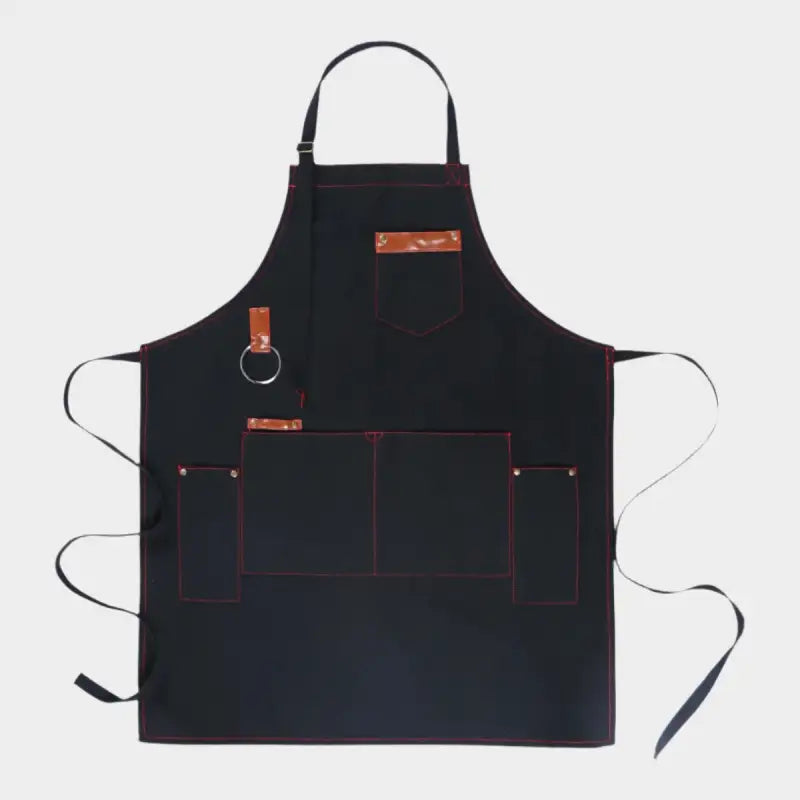
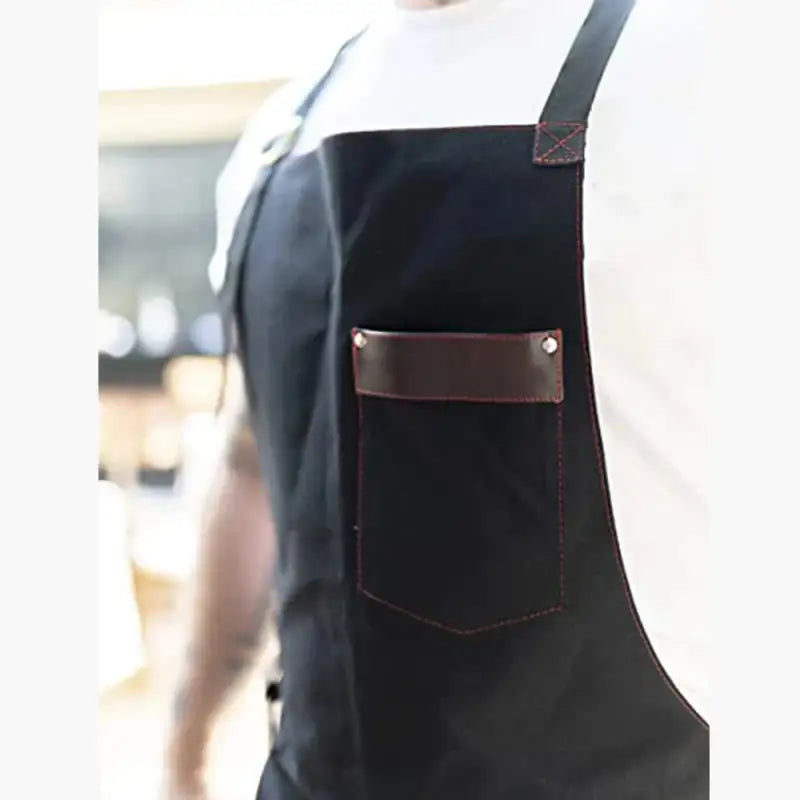
A forge apron can also feature pockets, ideal for keeping the craftsman's essential tools within easy reach. In addition, some modern aprons may include extra Kevlar reinforcements, a material resistant to heat and cuts, for even greater protection.
Tips for Choosing a Forge Apron
If you are looking for a forge apron, here are a few practical tips to help you make the right choice.
Comfort
A forge apron should be comfortable and allow freedom of movement. Make sure the size and weight of the apron suit your build. An apron that is too heavy or poorly fitted can become a burden during long working sessions.
Material Quality
The quality of the leather is an important criterion. Poor quality leather will not provide proper protection and will wear out quickly. Choose thick, durable leather.
Caring for Your Forge Apron
A forge apron is an investment, and like any investment, it deserves proper care. Regular maintenance will extend the life of the apron and keep its protection at its best.
Cleaning
We recommend cleaning the apron regularly with a damp cloth to remove soot and other residue. Using cleaning products made specifically for leather can help preserve its suppleness and durability.
Storage
When not in use, the forge apron should be stored in a dry place, away from moisture and direct sunlight, which could damage the leather.
The Quintessence of the Forge Apron
The forge apron is a centerpiece of the blacksmith's equipment. More than a simple garment, it is a symbol of protection and craftsmanship. Choosing and caring for it are therefore of the utmost importance. Ultimately, a good forge apron is a faithful companion that, when well maintained, will stay with the craftsman on the journey toward mastering metal.
Whether you are a professional or hobbyist blacksmith, don't forget the importance of the forge apron. Take the time to choose yours carefully, and it will become a valuable ally in your workshop. And if you are simply fascinated by the art of blacksmithing, feel free to explore this exciting field further. Who knows, you might be inspired to make it more than just a hobby.