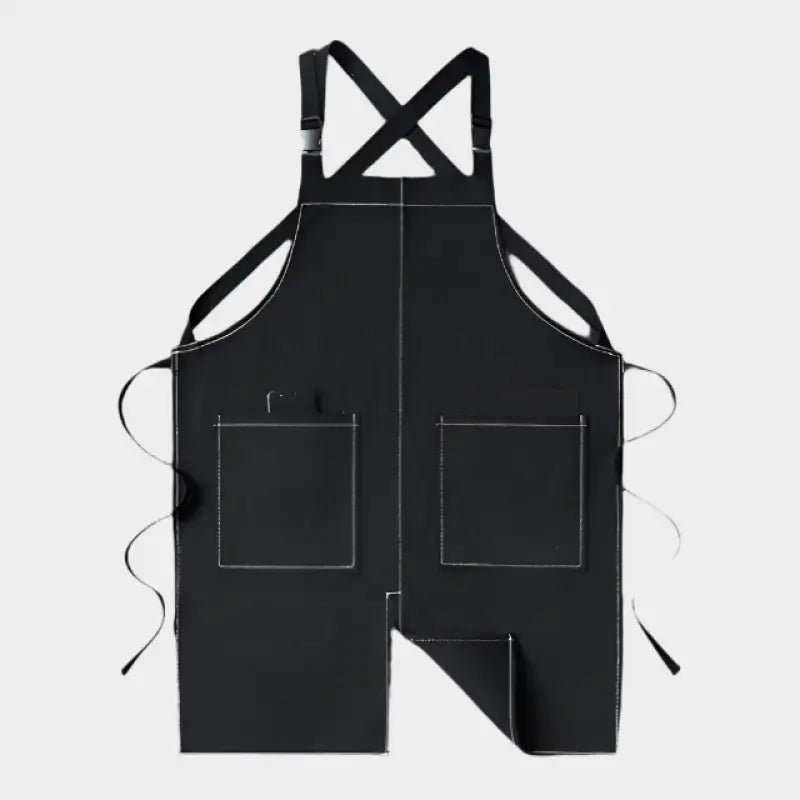
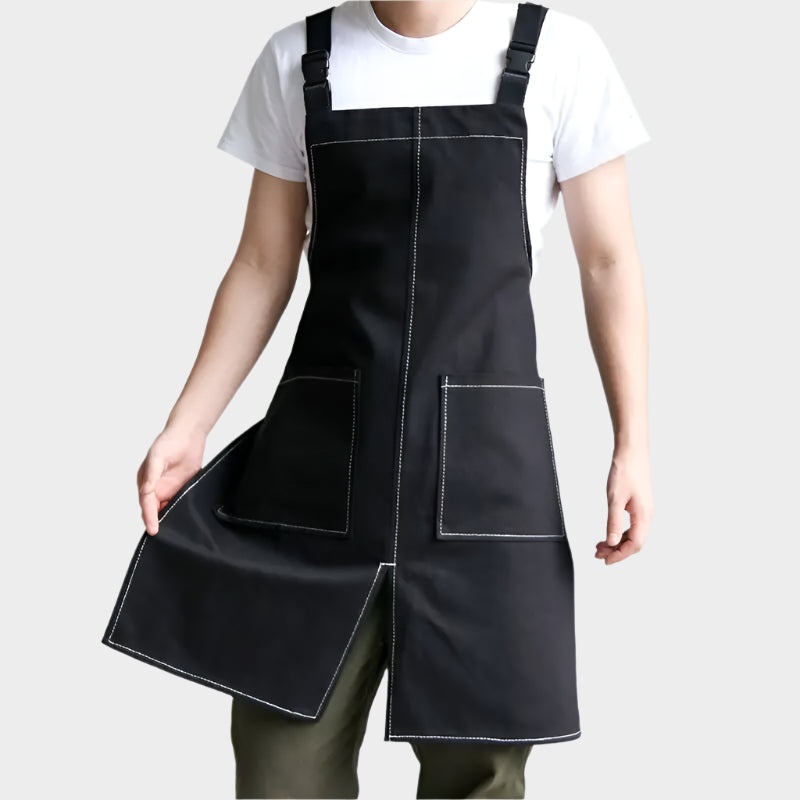
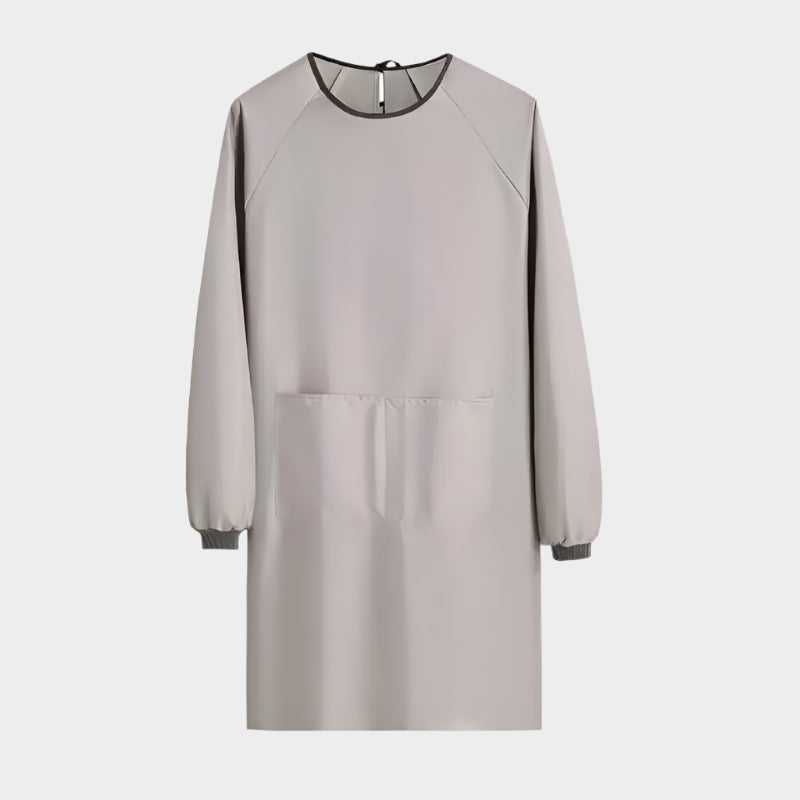
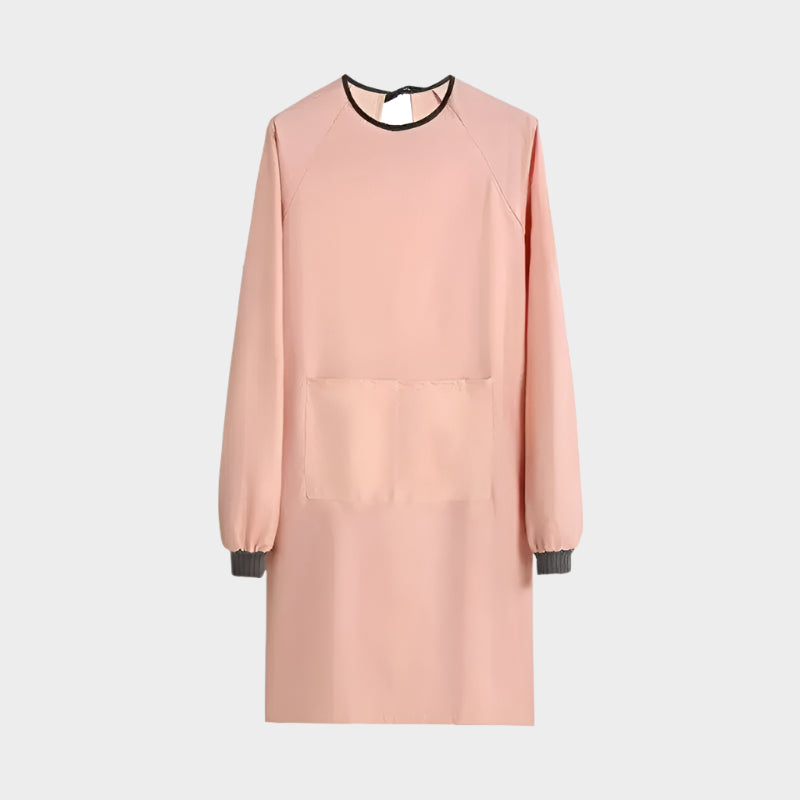
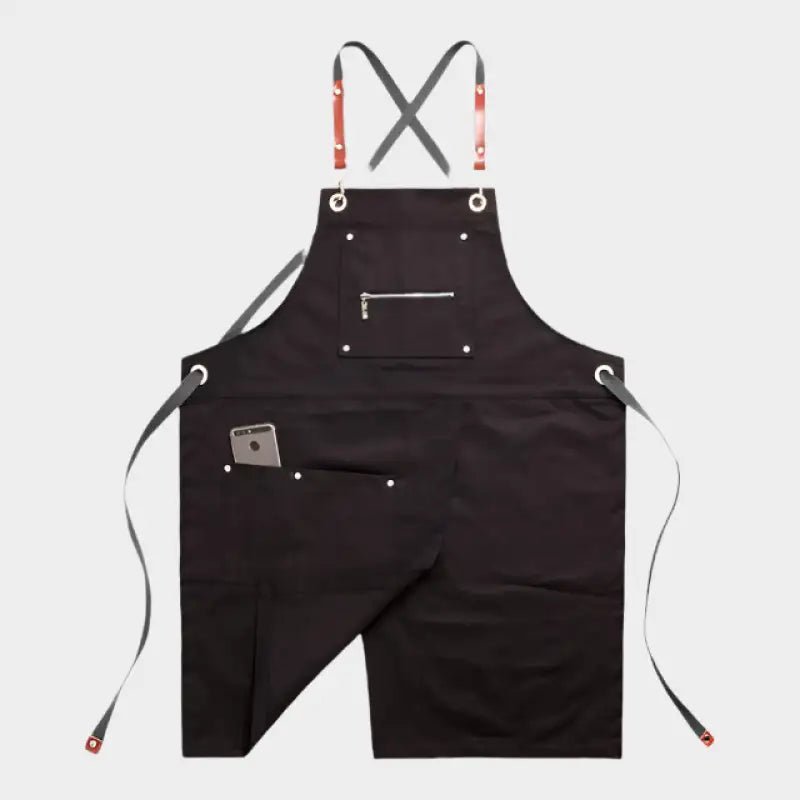
The butchery trade, like every other food sector, is subject to strict hygiene regulations. Appearance plays a key role in conveying cleanliness and professionalism. White butcher aprons do more than protect you: they also reflect the quality of the service you provide. Over time, these aprons can build up stains, which can give an unhygienic impression. That is why whitening matters so much to keep these aprons in spotless condition. It is not just about looks, it is also a mark of respect for your customers.
An Overview of Effective Whitening Methods
There are several ways to whiten white butcher aprons. Some people prefer natural solutions such as baking soda or white vinegar, while others choose detergents and industrial whiteners. The choice depends on personal preference, the resources available and how dirty the aprons are.
Baking Soda and White Vinegar
Baking soda and white vinegar are non-toxic natural cleaners. To use this method, soak the apron overnight in hot water with one cup of baking soda and one cup of white vinegar. Then machine wash it as usual. This combination is known for its effectiveness on stubborn stains.
Industrial Detergents and Whiteners
Some industrial detergents and whiteners are specifically designed to remove stubborn stains and whiten clothing. When using them, be sure to follow the manufacturer's instructions to achieve effective whitening without damaging the fabric.
The Whitening Process, Step by Step
Once you have chosen the whitening method that suits you best, it is time to get started. Here are the key steps for effective whitening:
Pre-Treating Stains
Before you start whitening, it is best to pre-treat the stains. This means rubbing them with a mild detergent or a solution of baking soda and white vinegar. This step makes the stains easier to remove during washing.
Whitening
Next, whiten the apron using the method you have chosen. Make sure the apron is fully submerged in the whitening solution and leave it to soak long enough for the stains to lift.
Washing
After whitening, machine wash the apron following the manufacturer's care instructions. It is best to wash it separately to avoid transferring dirt or dyes to other clothes.
Drying
Finally, let the apron air dry. Air drying is better than tumble drying, as it is less likely to cause shrinkage or damage the fabric.
A Few Tips for the Best Whitening Results
You can get even better results when whitening white butcher aprons by following a few simple tips. First, do not wait until stains are deeply set before treating them. The sooner you act, the easier they will be to remove.
Also, be careful not to overload your washing machine. Enough space allows water and detergent to circulate better, which makes cleaning more effective.
Finally, if some stains still persist, do not lose heart. Some stains may need several whitening and washing cycles before they disappear completely.
In Summary: The Key to a Spotless Butcher Apron
Keeping a butcher apron immaculate is a sign of professionalism and respect for your customers. By treating stains quickly and following good whitening practices, you can extend the life of your apron while keeping it looking spotless. Whether you choose natural solutions such as baking soda and white vinegar or industrial detergents, the main thing is to adopt a regular care routine for your apron.
Remember: a clean apron does more than project a good image, it also reflects your commitment to cleanliness and to the quality of the service you provide to your customers.