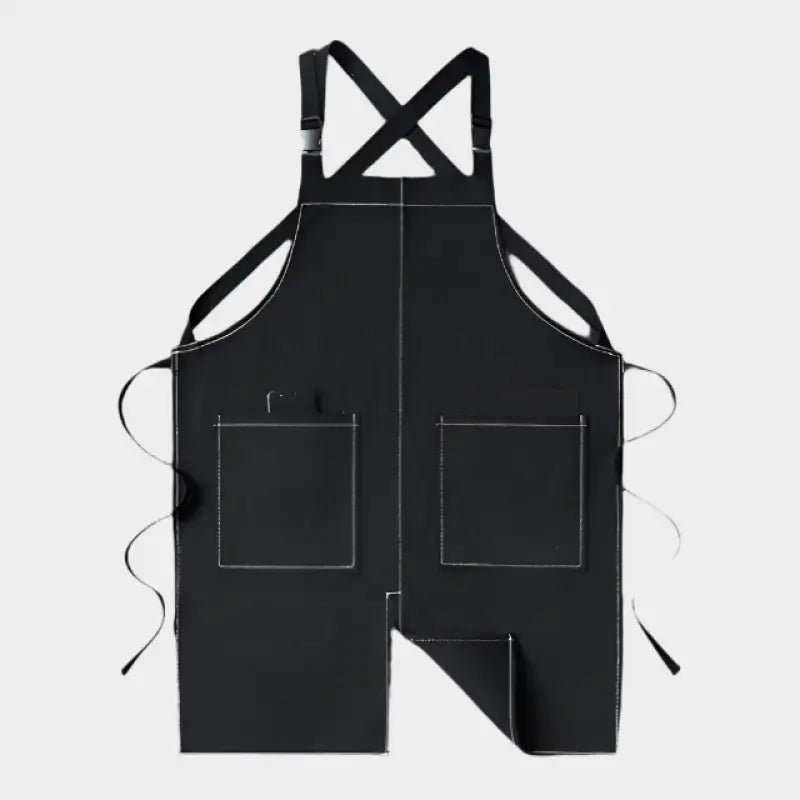
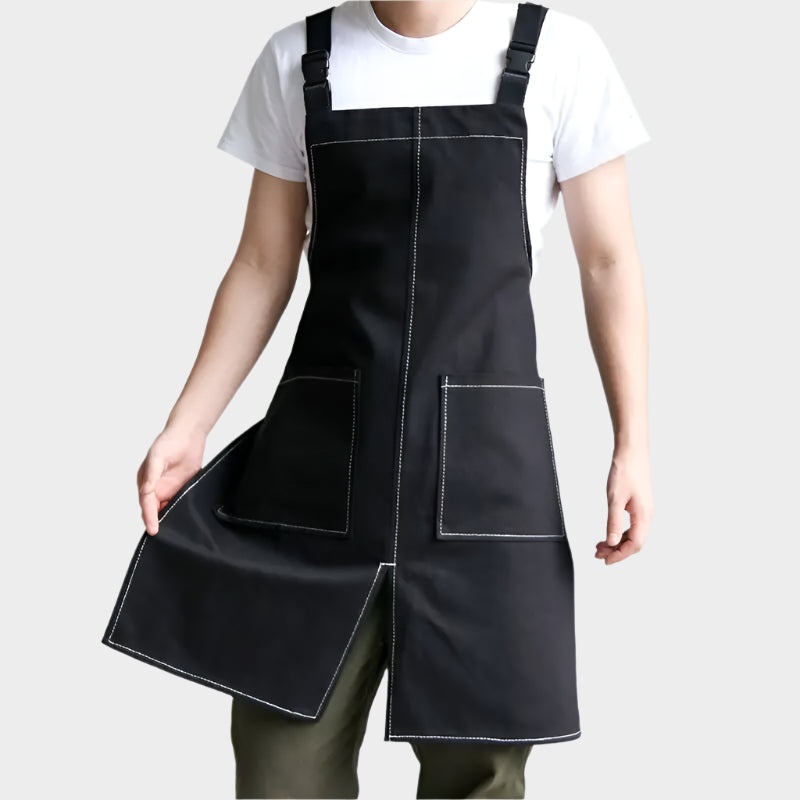
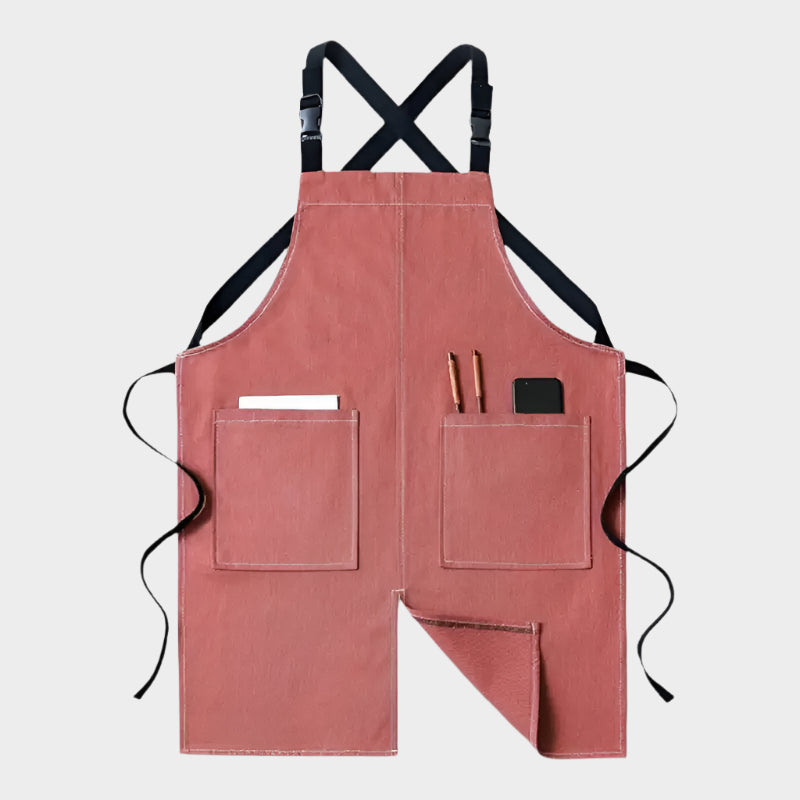
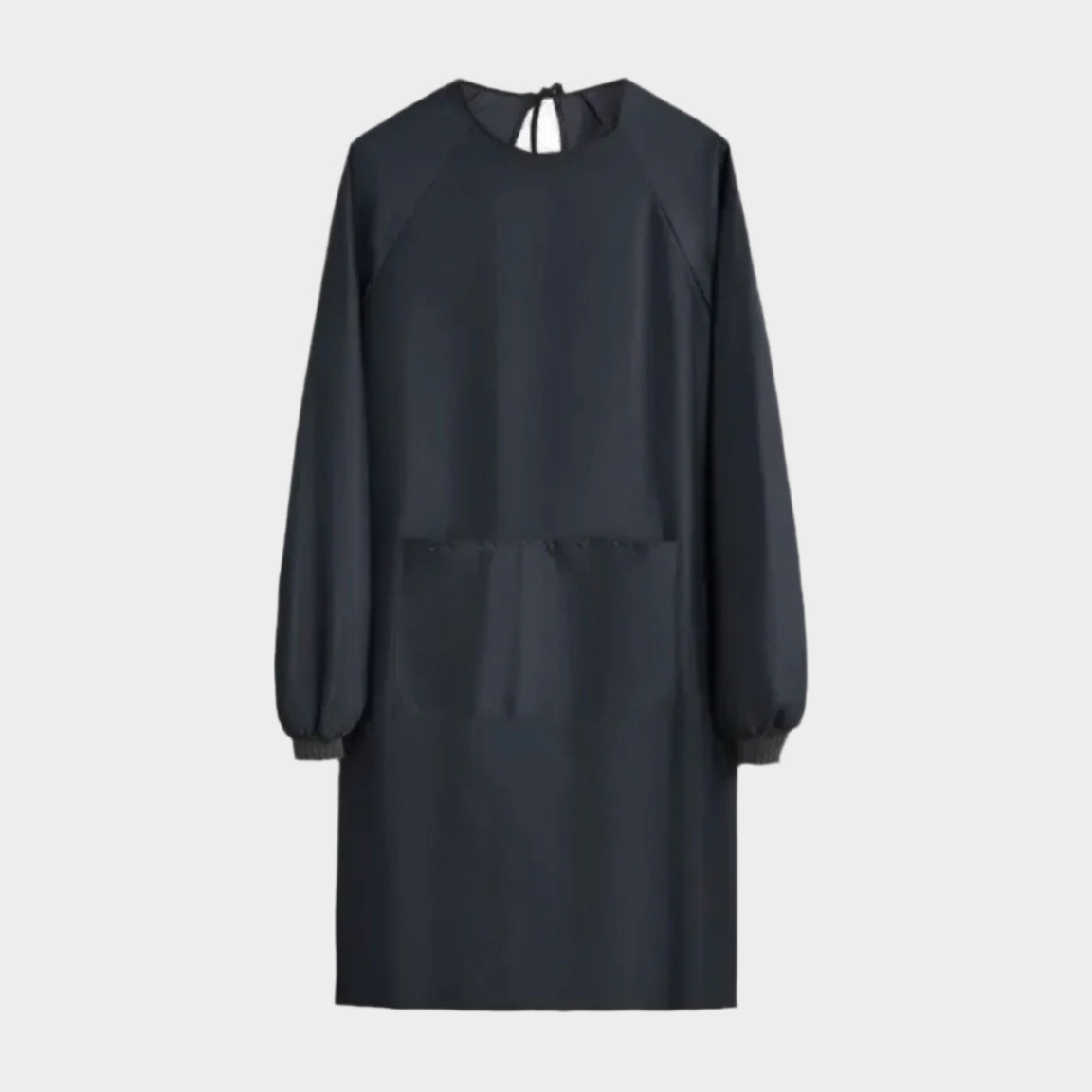
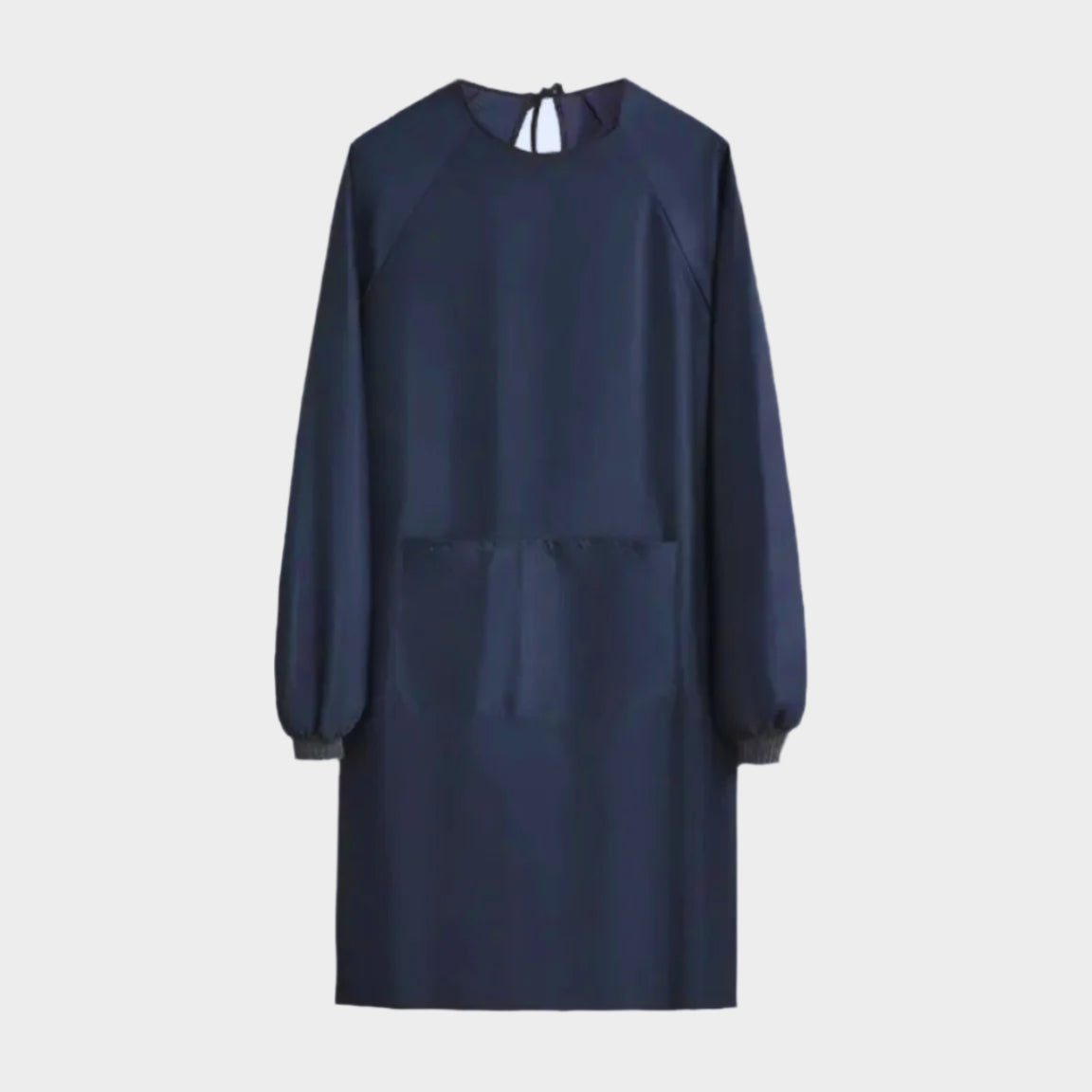
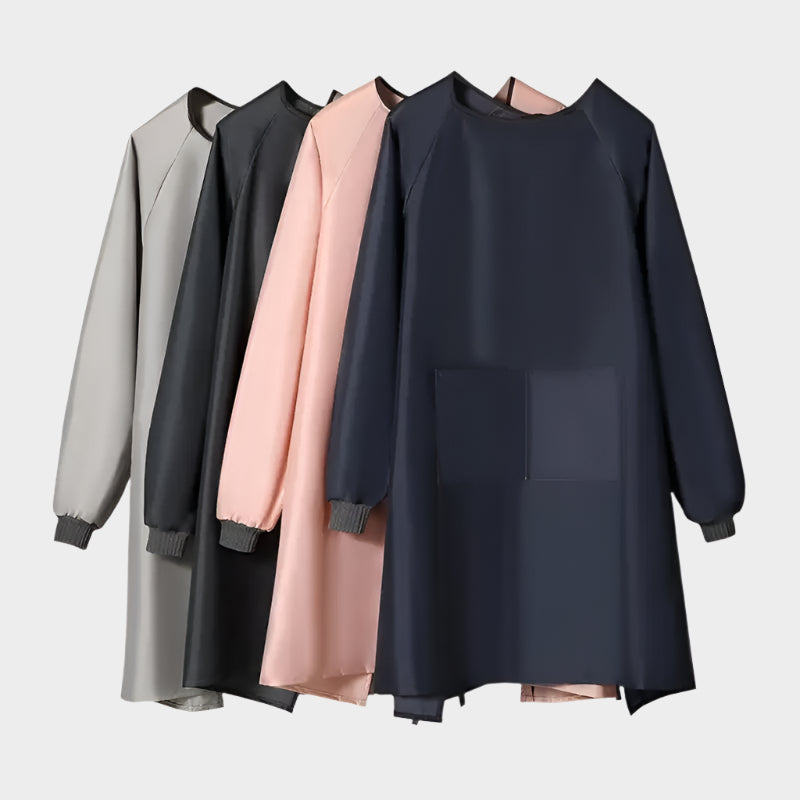
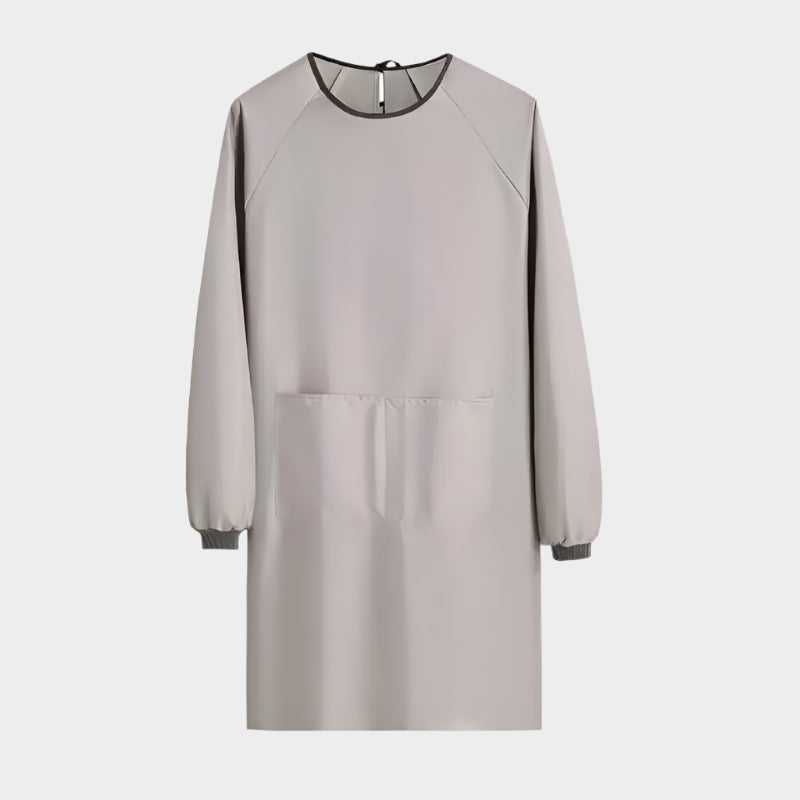
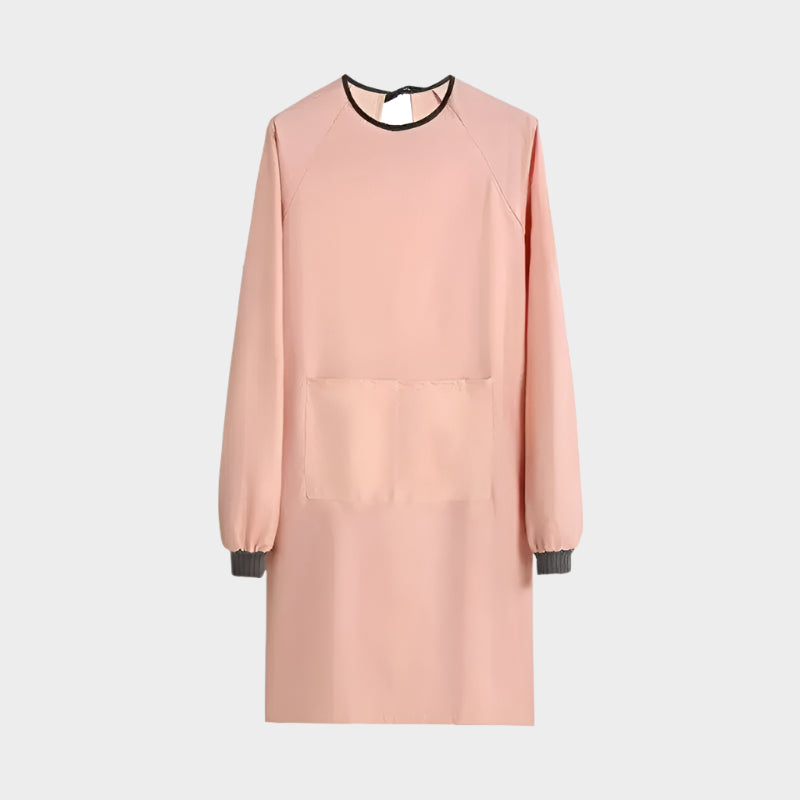
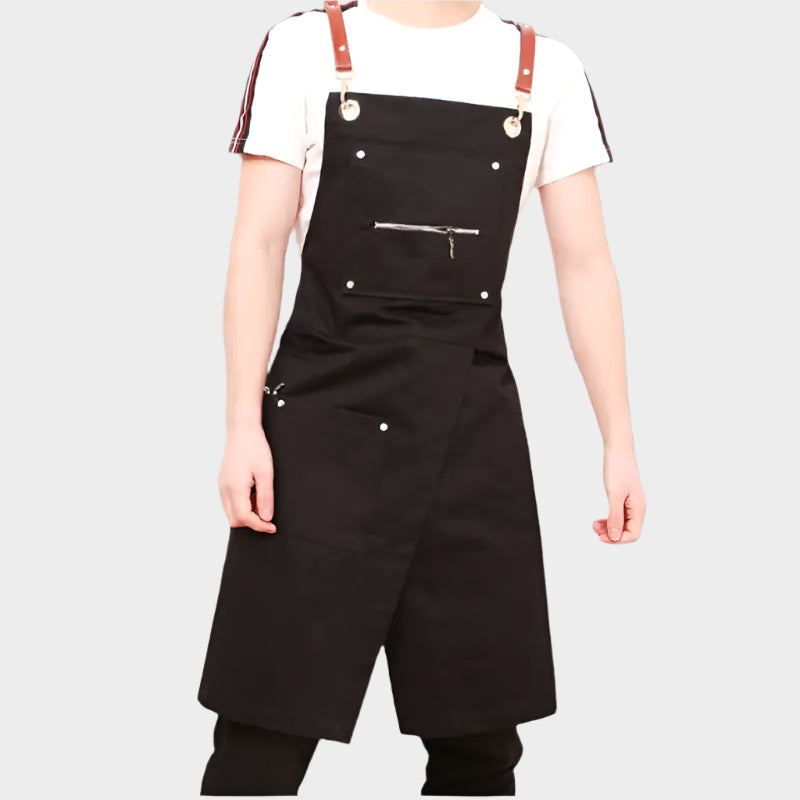
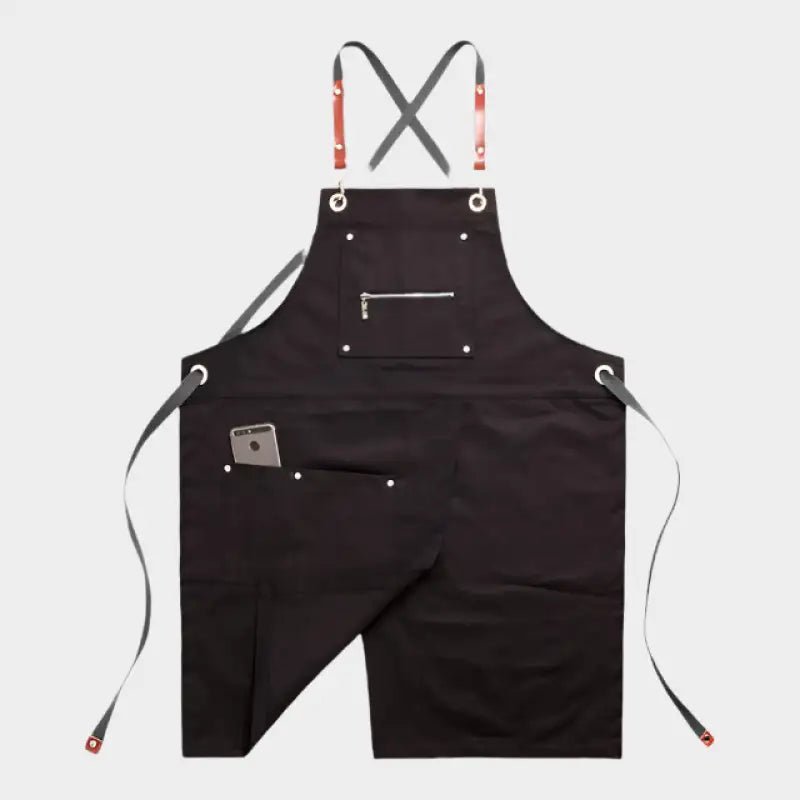
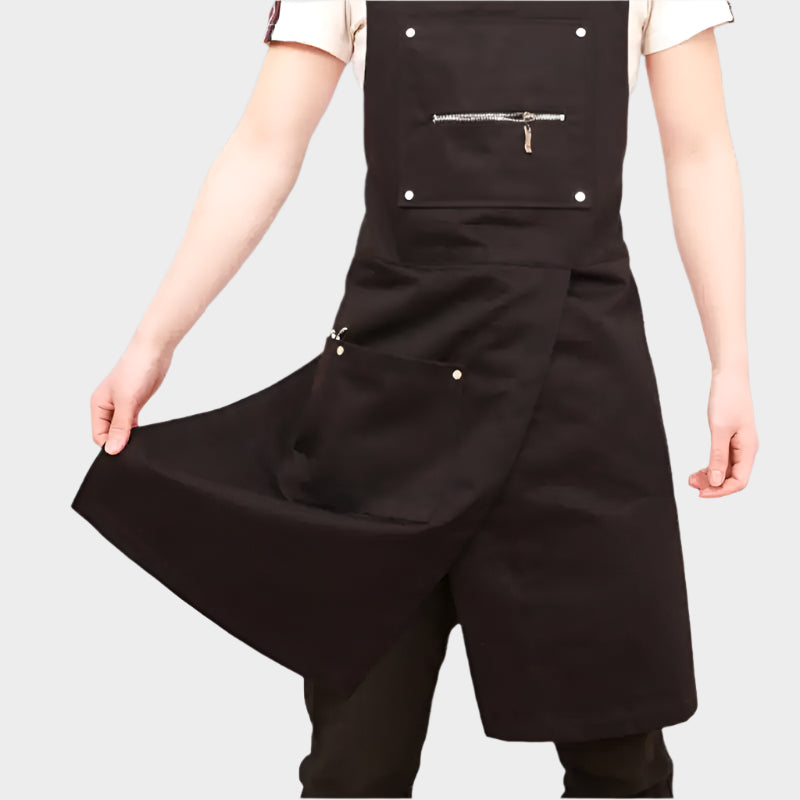
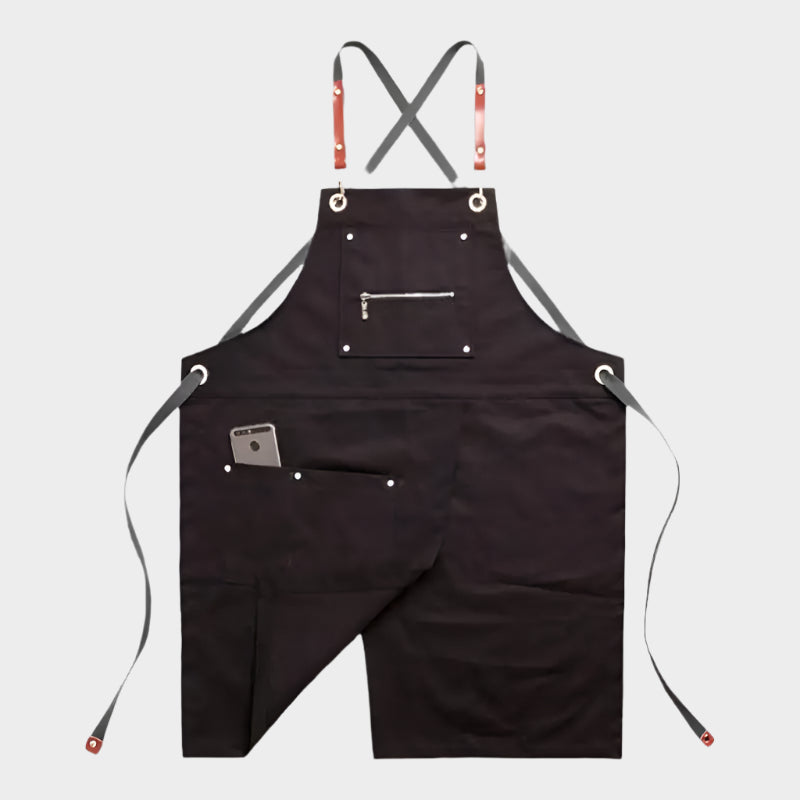
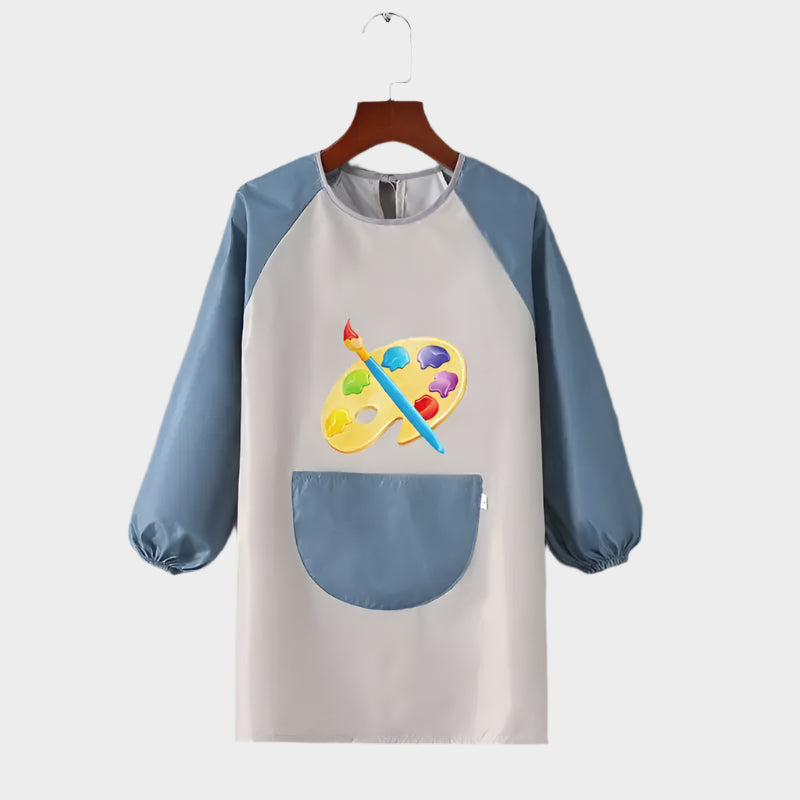
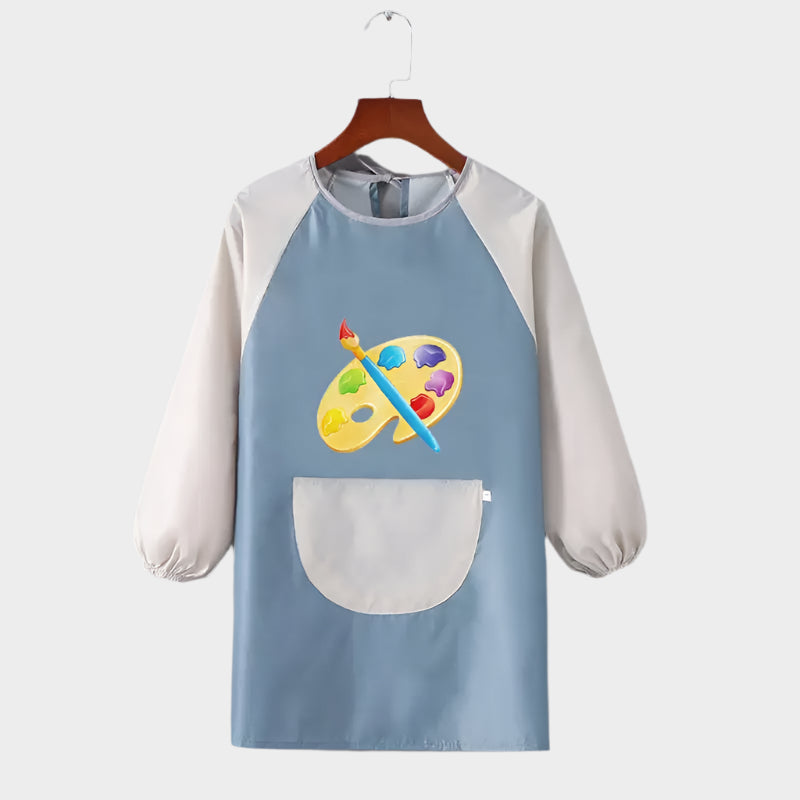
Aprons are versatile, essential accessories in many settings, whether in the kitchen, in industry or even at home. They play a key role in protecting your clothes from stains and splashes. When you shop for an apron, you may find yourself choosing between a cotton apron and a polycotton apron. Although they look similar, there are significant differences between these two materials. In this article, we look at those differences to help you choose the apron that best suits your needs.
1. Understanding cotton
Cotton is a natural fiber obtained from cotton plants. It has been used for centuries in the textile industry thanks to its unique properties. Cotton aprons are valued for their softness, breathability and ability to absorb moisture. They are very comfortable, which makes them ideal for extended wear.
1.1 Advantages of a cotton apron
Cotton aprons offer several notable advantages:
- Breathability: Cotton is a breathable material that lets air circulate, helping to release body heat and reduce sweating.
- Less skin irritation: Cotton is hypoallergenic and suits people with sensitive or allergy-prone skin.
- Resistance to high temperatures: Cotton aprons are heat resistant, which makes them well suited to hot environments such as kitchens.
1.2 Limitations of a cotton apron
However, cotton aprons can also have some limitations, including:
- Wrinkles: Cotton tends to crease more easily than other materials, so regular ironing may be needed to keep the apron looking its best.
- Shrinkage: Cotton naturally tends to shrink when washed at high temperatures, which can change the size of the apron.
2. Understanding polycotton
Polycotton is a blend of cotton and polyester. This material has become popular because of its combined characteristics. Polycotton aprons strike a balance between the benefits of cotton and the properties of polyester. They are often chosen for their durability and easy care.
2.1 Advantages of a polycotton apron
Polycotton aprons offer several worthwhile advantages:
- Durability: Polycotton is stronger than pure cotton, giving it better resistance to wear and tear. Polycotton aprons are therefore more durable and last longer.
- Easy care: Polycotton aprons are easy to wash and look after. They need less ironing than pure cotton aprons thanks to the wrinkle-resistant properties of polyester.
- Stain resistance: The polyester in polycotton provides some resistance to stains, which makes the apron easier to clean.
2.2 Limitations of a polycotton apron
However, there are also some limitations of polycotton aprons to keep in mind:
- Less breathable: Compared with cotton, polycotton is slightly less breathable due to the polyester it contains.
- Less absorbent: Polyester absorbs less than cotton, which means polycotton aprons may be less effective at soaking up moisture.
3. Choosing between a cotton apron and a polycotton apron
The choice between a cotton apron and a polycotton apron depends on your specific needs:
- Choose a cotton apron if: You want a comfortable, breathable, hypoallergenic apron, ideal for extended wear and hot environments.
- Choose a polycotton apron if: You want a durable, easy-care, stain-resistant apron. It is a good choice for heavy use and when easy care is a priority.
It is worth noting that personal preference can also play a part in your decision. Some people prefer the softness of cotton, while others appreciate how easy polycotton is to care for.
4. Apron care tips
Whatever you choose, here are a few tips for looking after your aprons:
- Read the care instructions supplied with the apron carefully to make sure you wash it correctly.
- Pre-treat stains before washing the apron to improve the chances of removing them completely.
- Avoid washing cotton aprons at high temperatures to minimize the risk of shrinkage.
- For polycotton aprons, use a suitable iron setting to avoid damaging the fabric.
5. Conclusion
In short, cotton and polycotton aprons each have their own distinct characteristics. Cotton aprons offer superior softness and breathability, while polycotton aprons stand out for their durability and easy care. The choice between these two materials depends on your personal preferences and specific needs. Whatever you choose, make sure you care for your aprons properly to keep them in good condition and enjoy them for a long time.
To conclude, we can say that a cotton apron is softer and more breathable than a polycotton apron. Cotton aprons are also stronger and more durable. If you are looking to buy an apron, feel free to browse our collection of women's kitchen aprons to find the apron that suits you best.