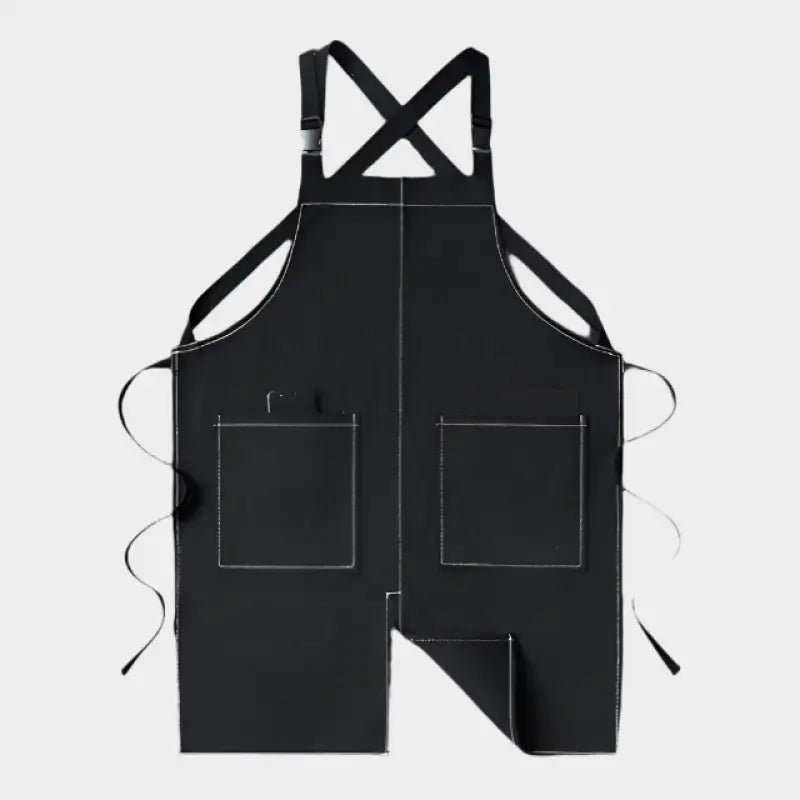
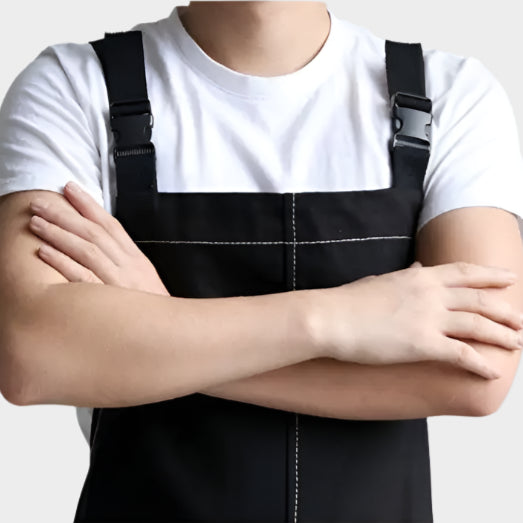
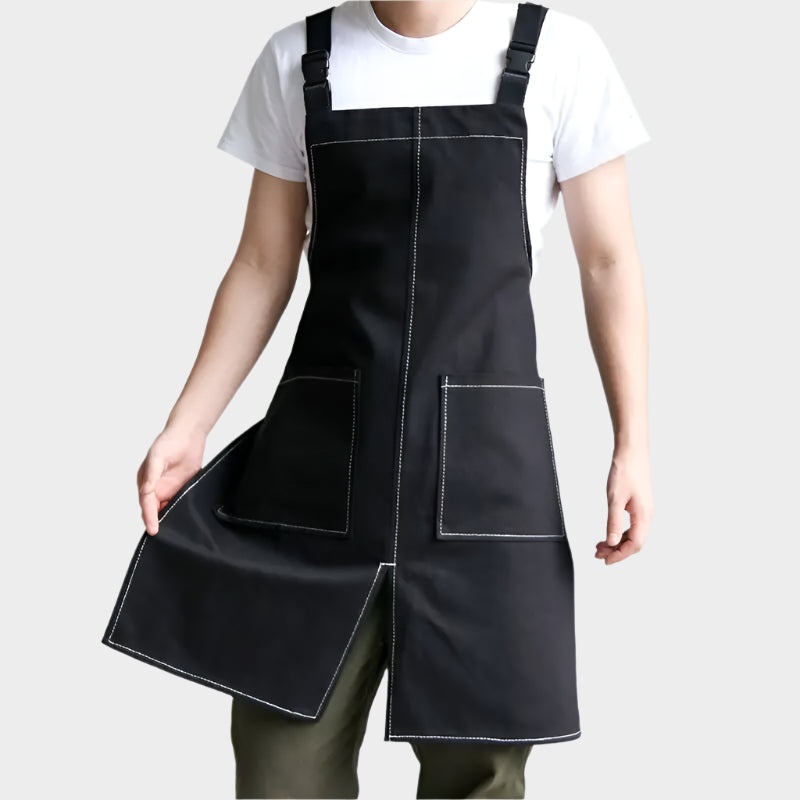
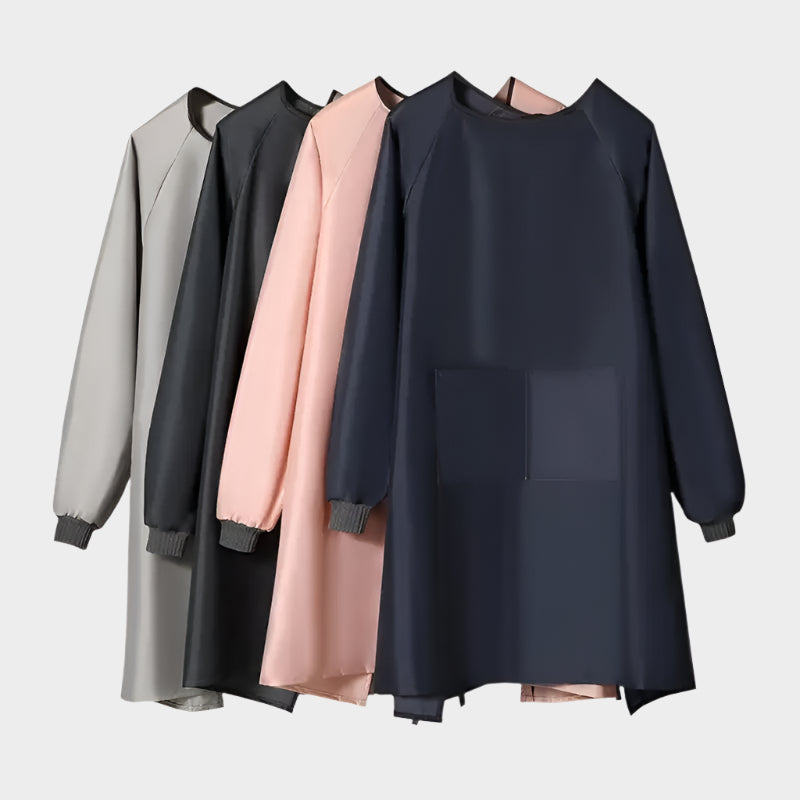
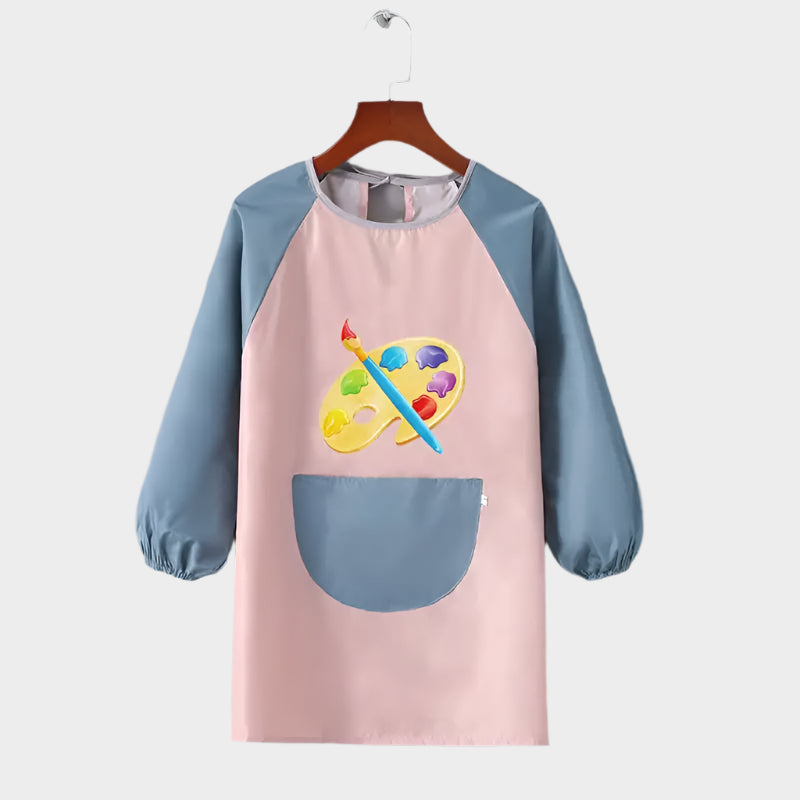
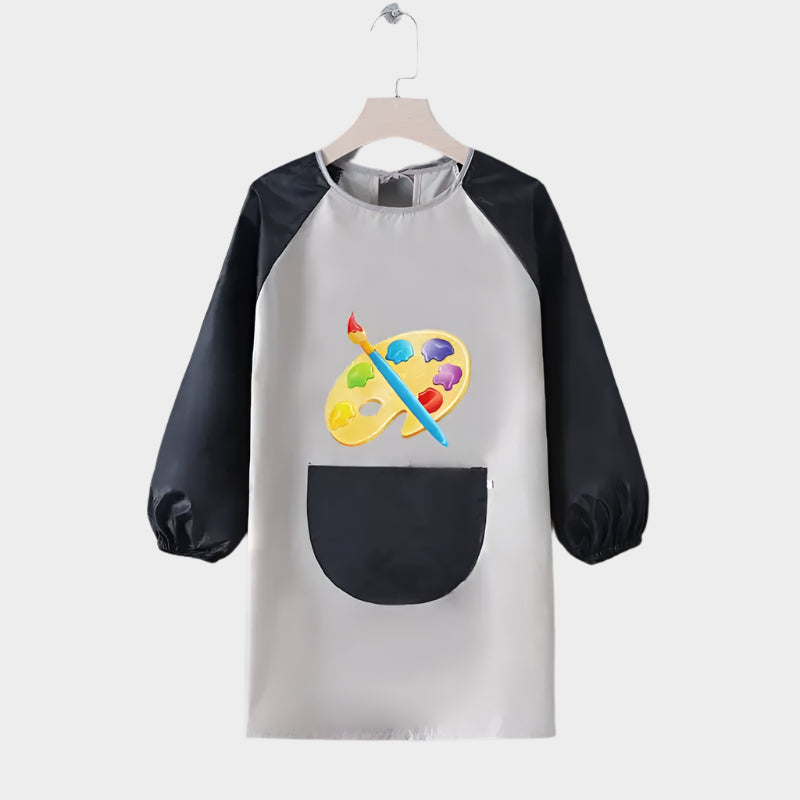
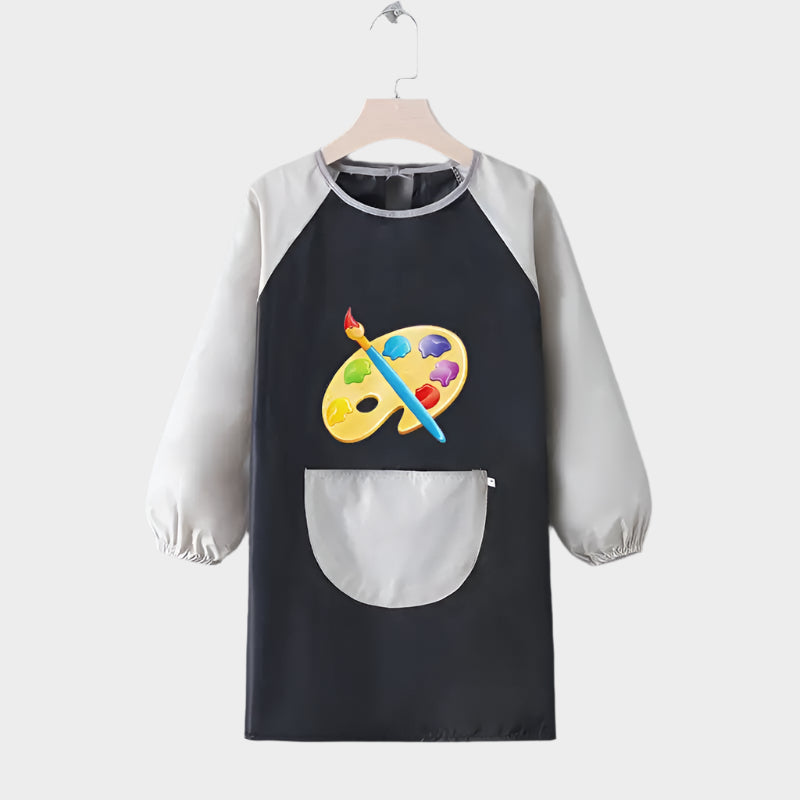
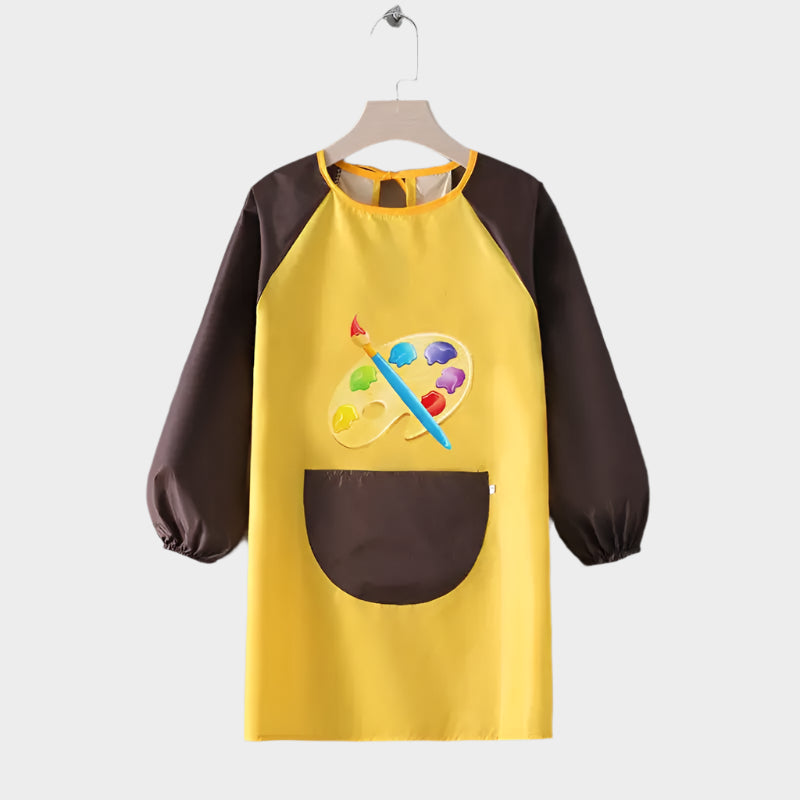
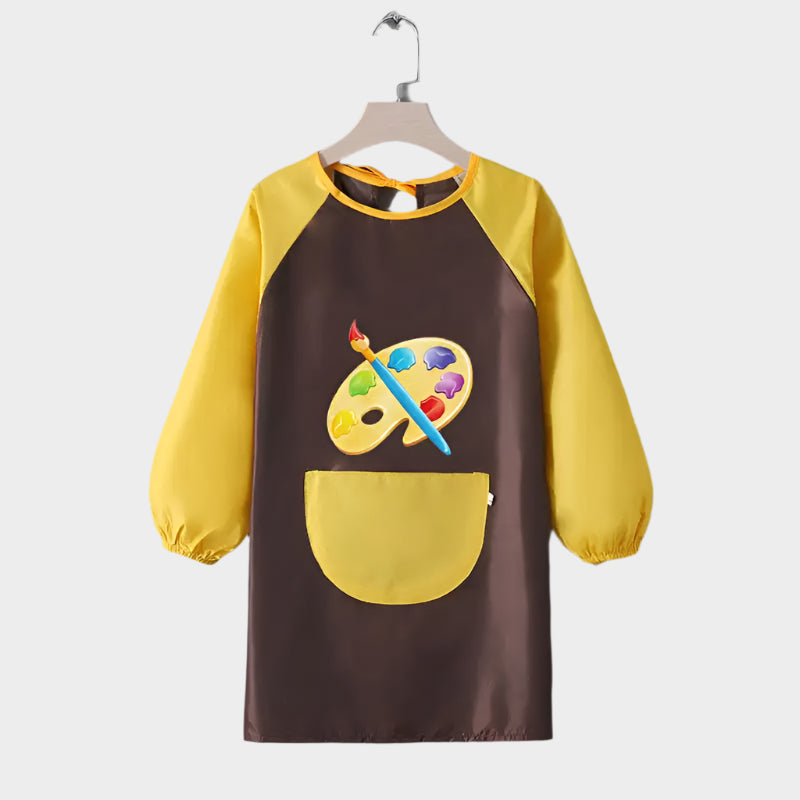
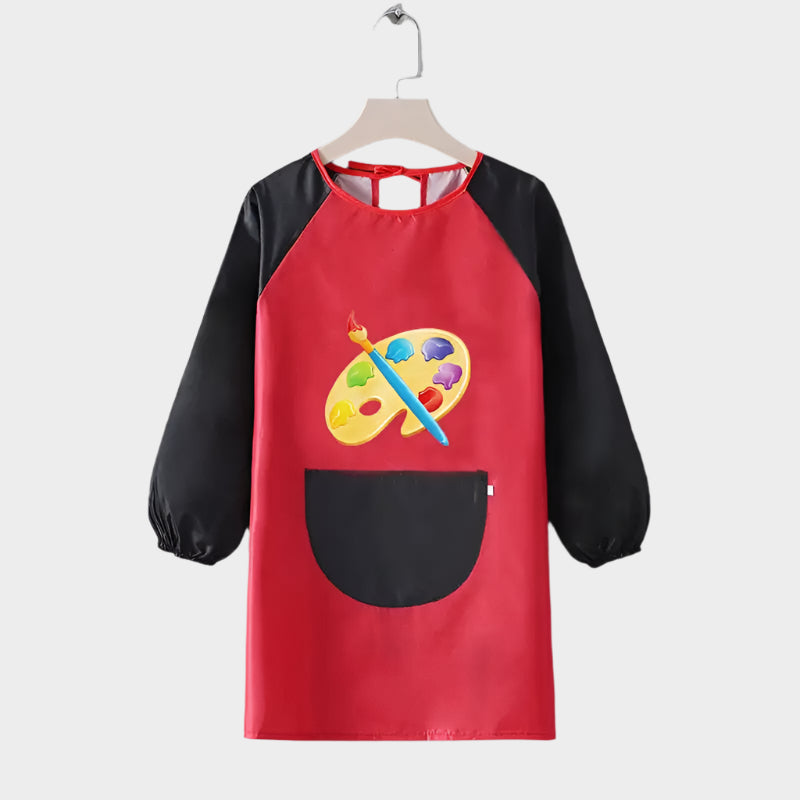
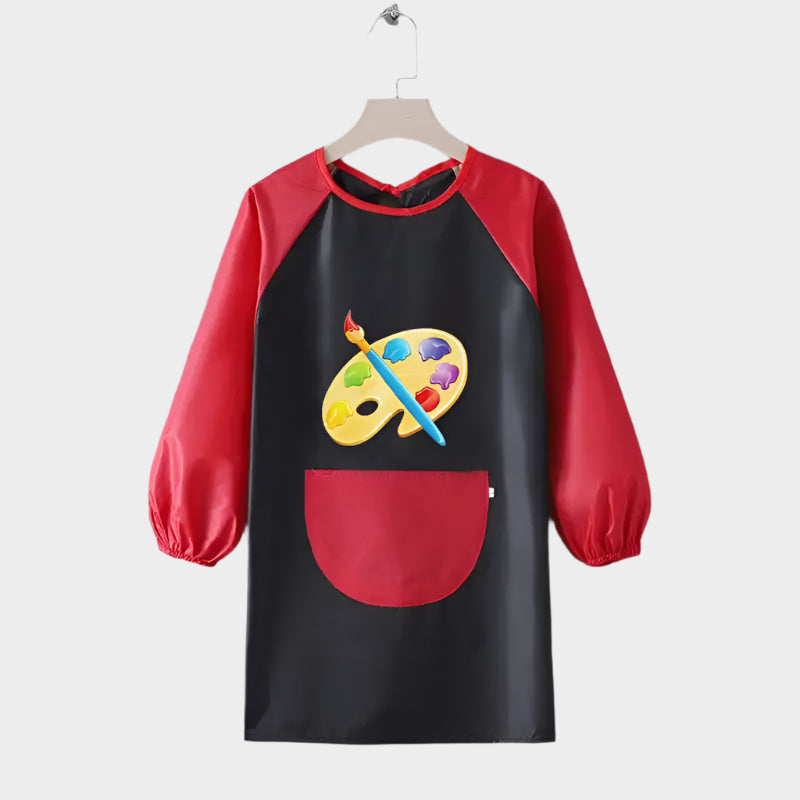
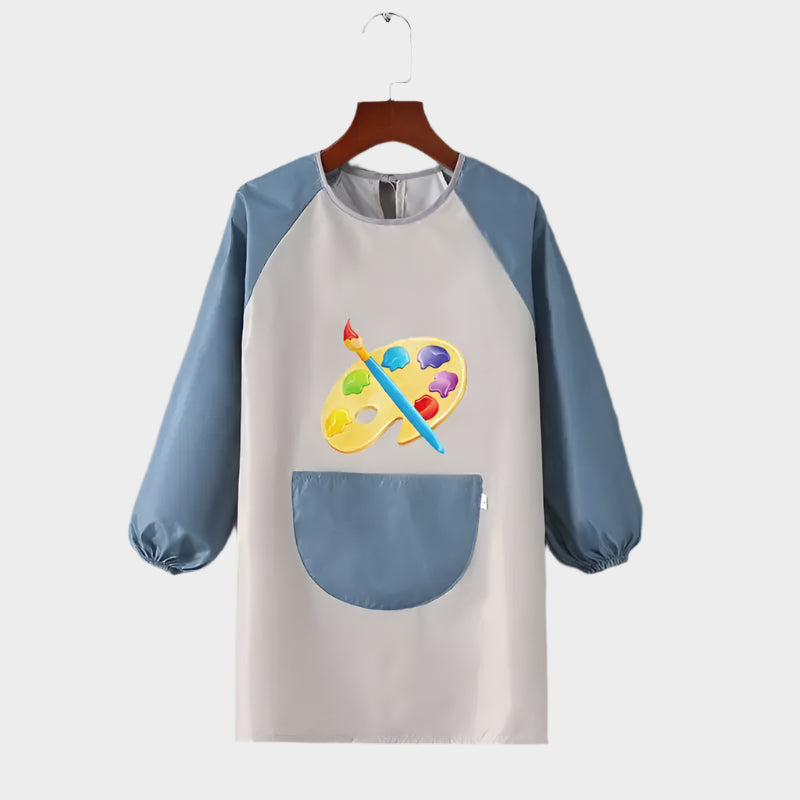
Let's dive into the world of aprons: different types and practical uses
Who would have thought that aprons, those practical garments we wear to protect the clothes underneath, would come in such variety and serve so many different purposes? We often associate the apron with the kitchen, but did you know there are aprons for all kinds of professions and activities? Join us as we take a detailed look at the world of aprons.
The apron through history
Historically, the apron has always had its place in society. From its use by craftsmen in Antiquity to protect their clothes, to its adoption by homemakers in the 20th century, the apron has stood the test of time, evolving with the needs of each era.
The apron in Antiquity
Worn by manual workers, especially blacksmiths and carpenters, the apron was first used as protection against the physical hazards of the job. These early aprons were often made of leather, a durable and hard-wearing material.
The modern evolution of the apron
As society changed, so did the apron. In the 1950s, for example, it became an essential part of the homemaker's wardrobe, often decorated with colorful patterns and used to protect clothes while cooking and cleaning. Today, aprons are used in a wide range of professions and activities, from cooking and gardening to painting and even woodworking.
The different types of aprons
The diversity of aprons reflects the variety of tasks they are used for. There are several types of aprons, each suited to a specific use.
The kitchen apron
The kitchen apron is probably the best known of all. Used to protect clothes from splashes and stains while cooking, it is usually made of cotton for comfort and easy cleaning.
The waiter apron
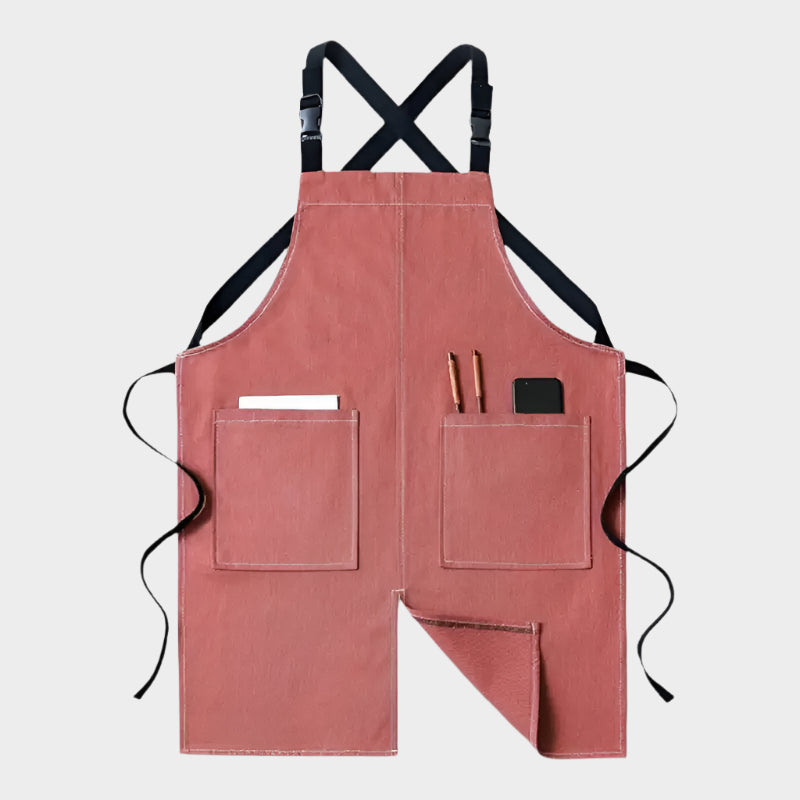
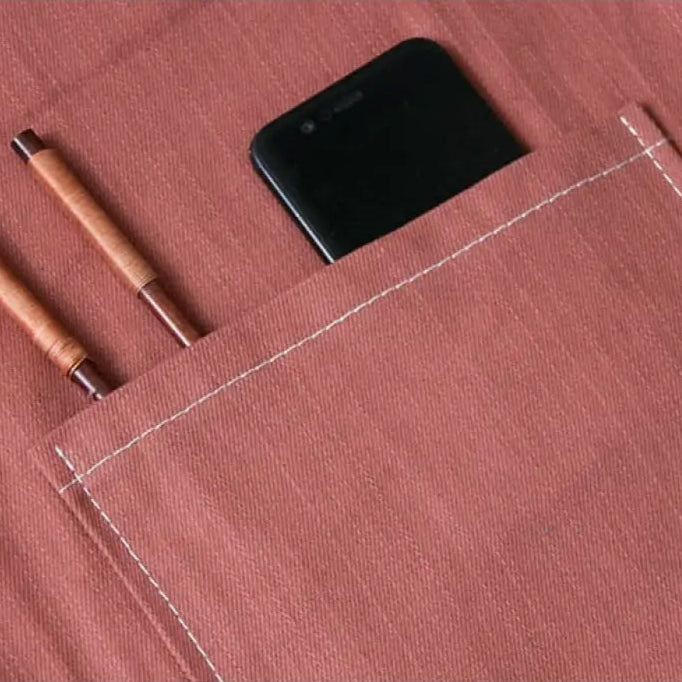
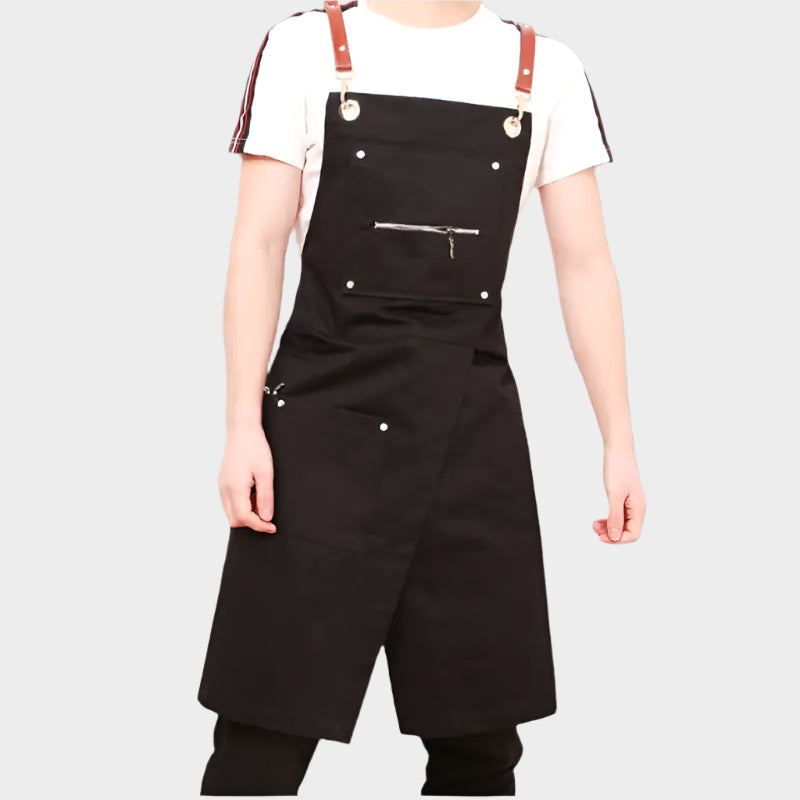
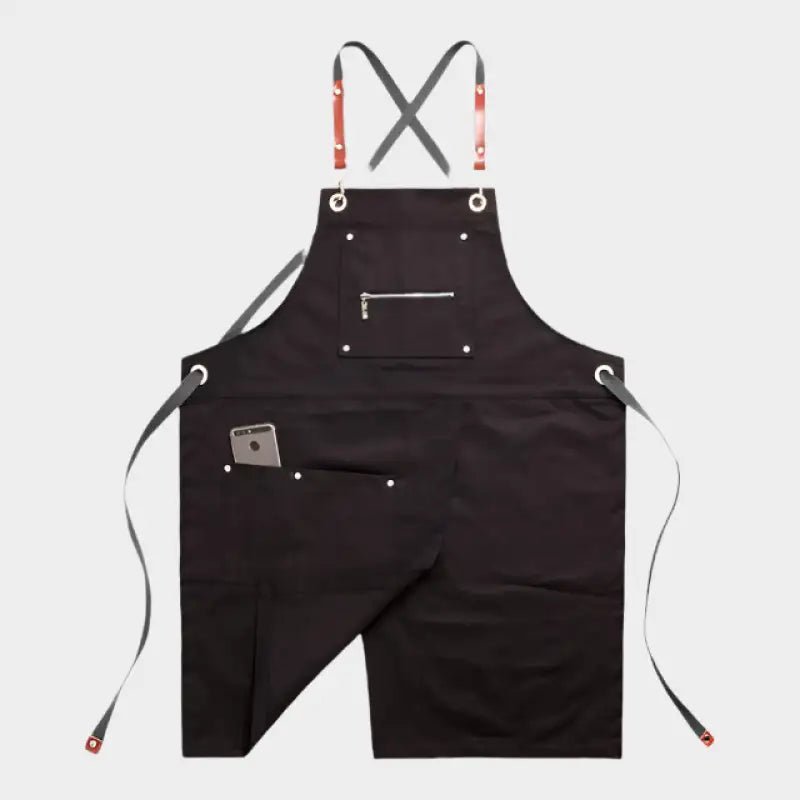
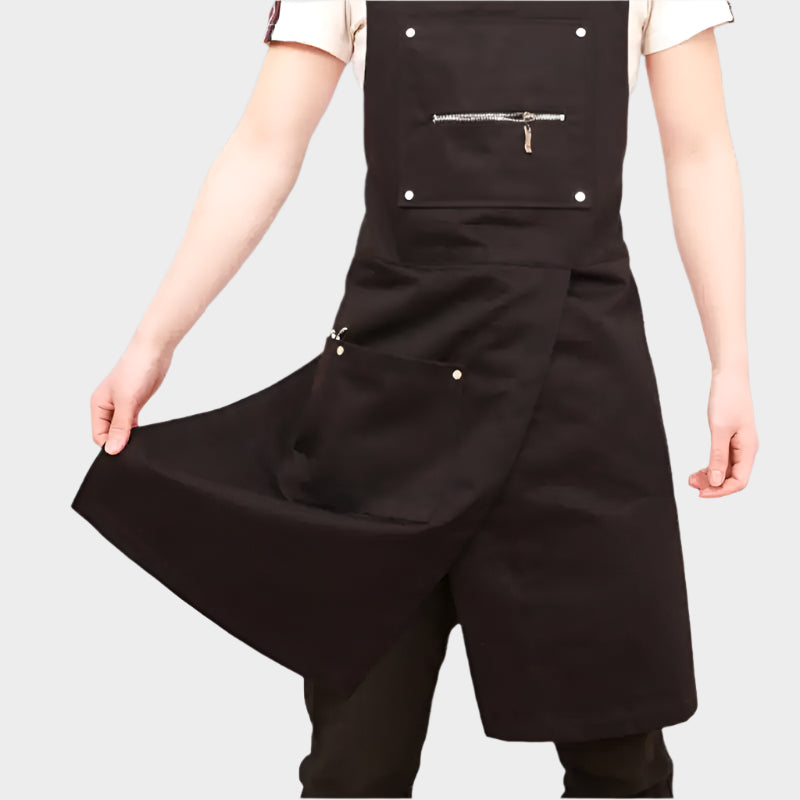
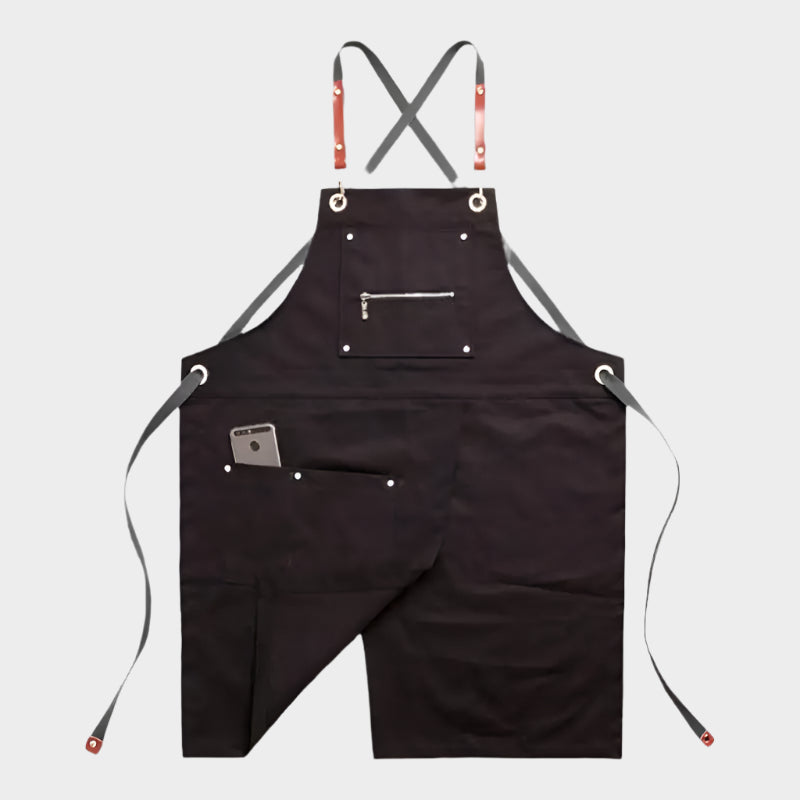
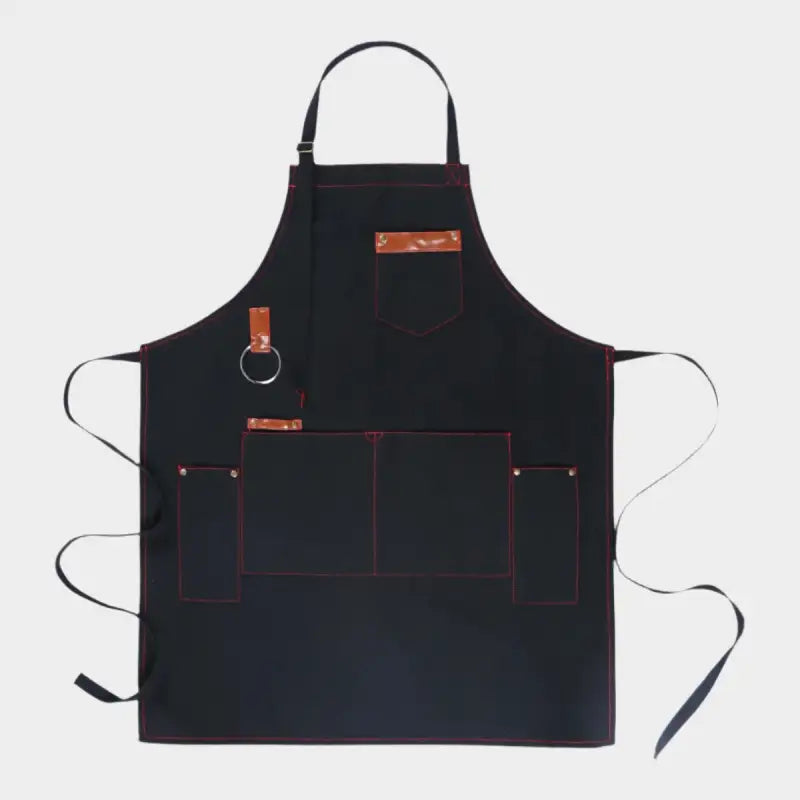
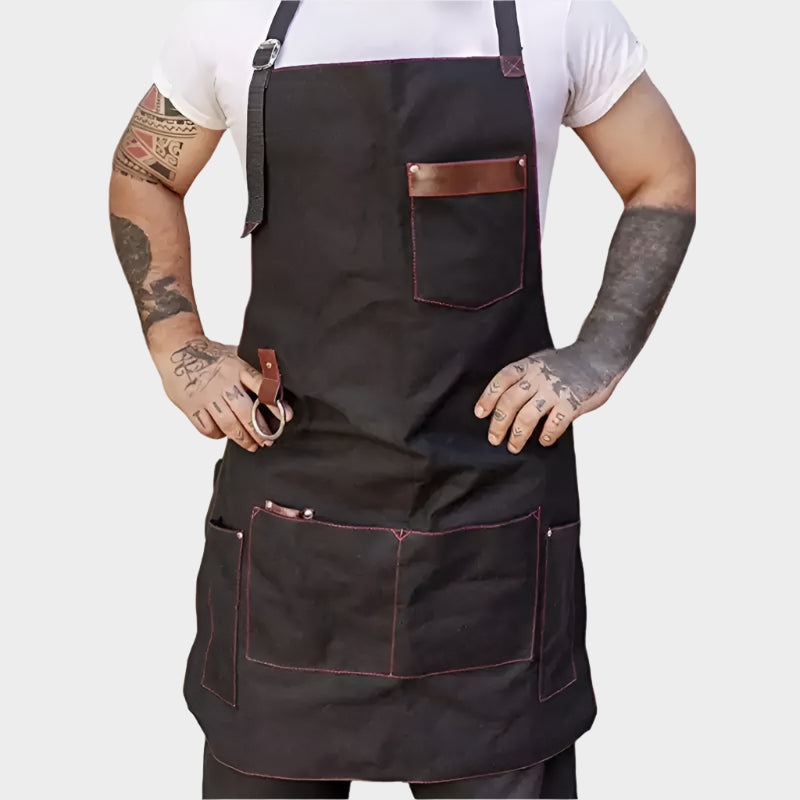
The waiter apron, often worn in the restaurant industry, is usually shorter than the kitchen apron and has pockets to hold pens, an order pad and change.
The craft apron
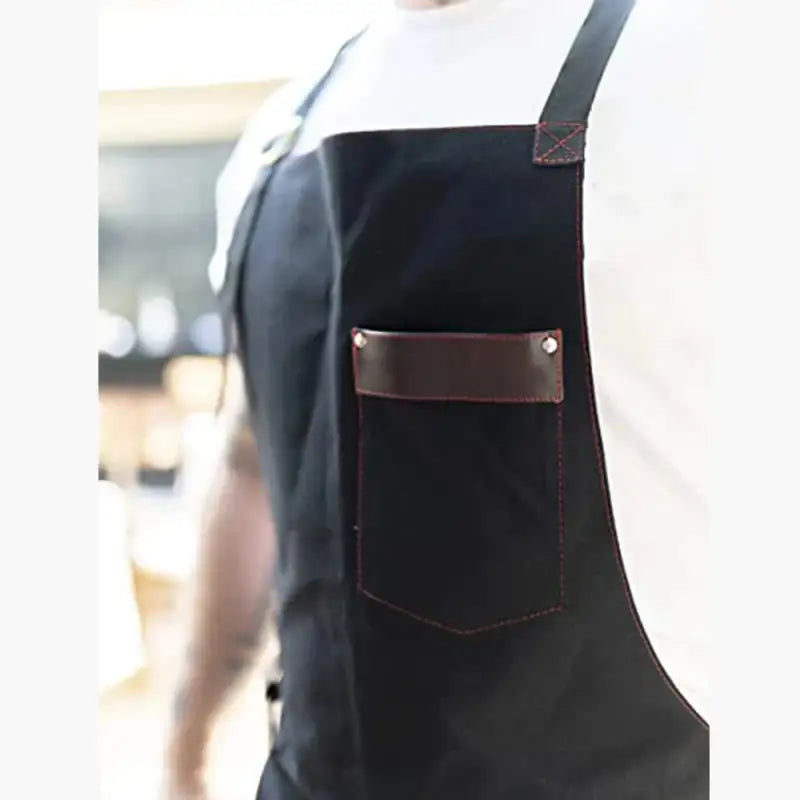
The craft apron, used in woodworking or blacksmithing, is usually made of leather for maximum protection. It may have several pockets for tools and is often longer to cover a large part of the body.
Choosing the right apron
Choosing the right apron depends on the activity you have in mind. You should consider the material, the length, the pockets and even the style.
Material
Cotton is excellent for cooking because it is easy to wash, while leather is ideal for heavier work such as woodworking. Vinyl aprons can be used for heavier household chores or for gardening, as they are water-resistant and easy to clean.
Length
The length of your apron depends on how much protection you want. A longer apron is useful if you work with materials that can splash or fly around.
Tips and tricks for wearing an apron
Here are a few tips to help you get the most out of your apron.
Wearing your apron properly
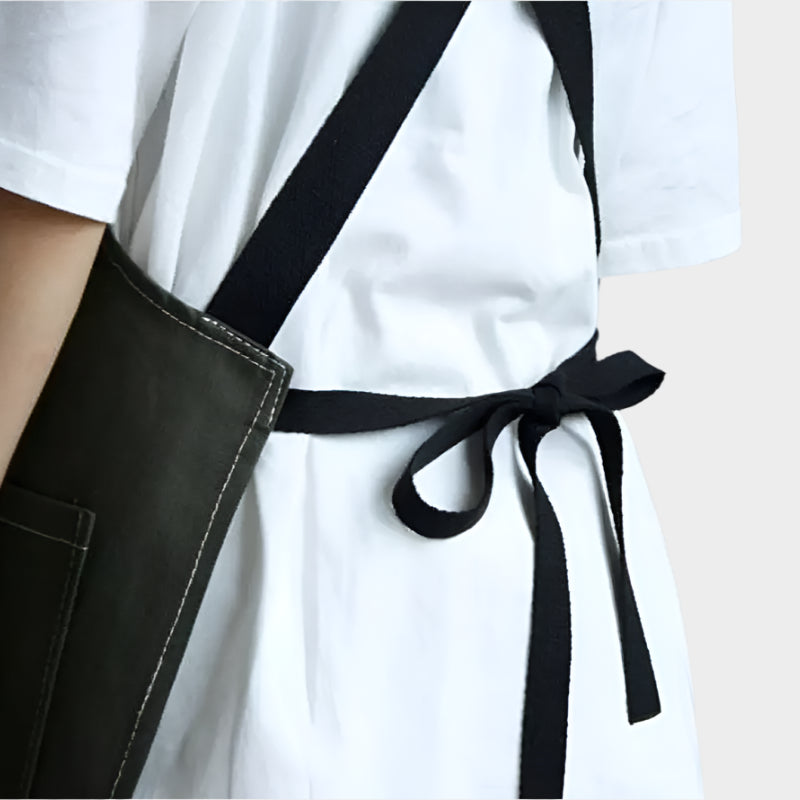
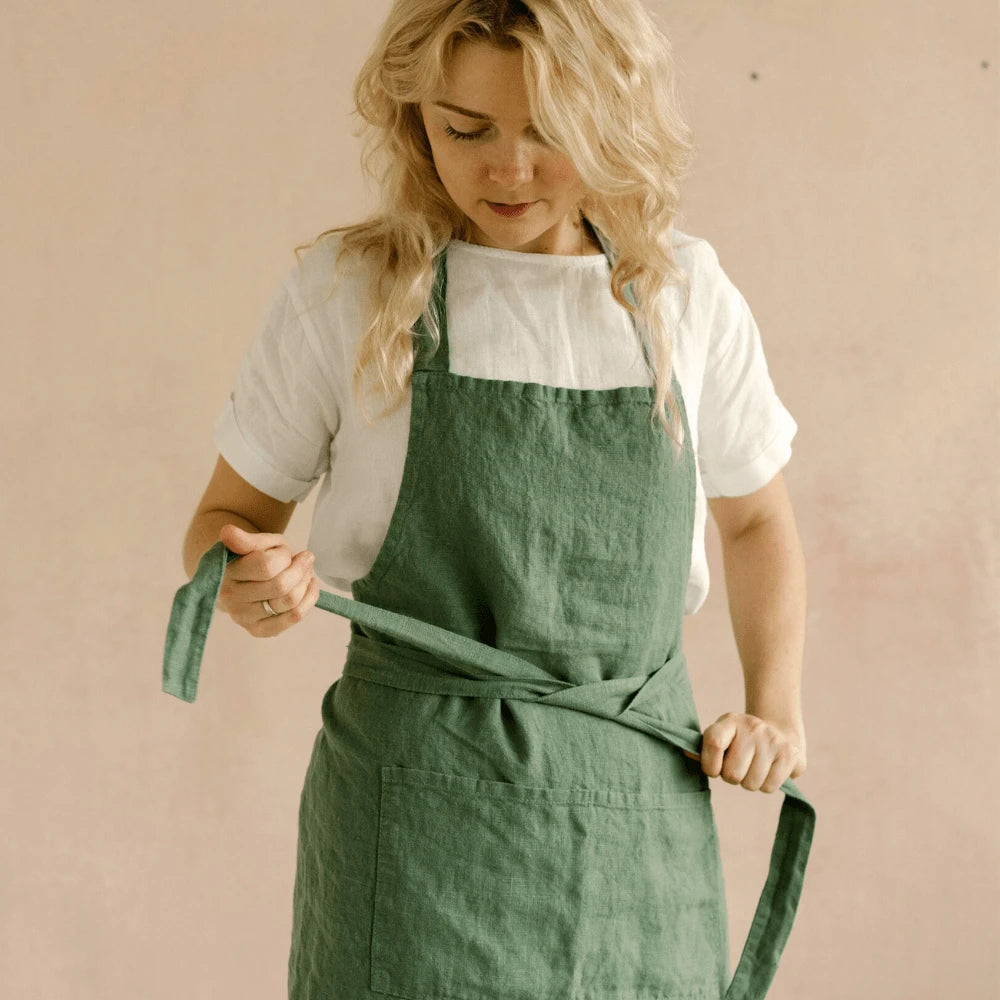
Make sure your apron is securely tied and covers the areas you want to protect. It should not restrict your movements either.
Cleaning
It is important to clean your apron regularly. For cotton aprons, regular machine washing should be enough. For leather or vinyl aprons, wiping by hand with a damp cloth may be necessary.
Aprons: more than just protective clothing
In conclusion, aprons are valuable tools, serving not only as protection but also as a practical aid in a variety of tasks. Over the years, they have evolved to meet the needs of different professions and activities, with a wide range of styles, materials and designs. Whether you are a cook, a waiter, a craftsman or a gardener, there is an apron for you. So why not explore the world of aprons and find the one that best suits your needs?
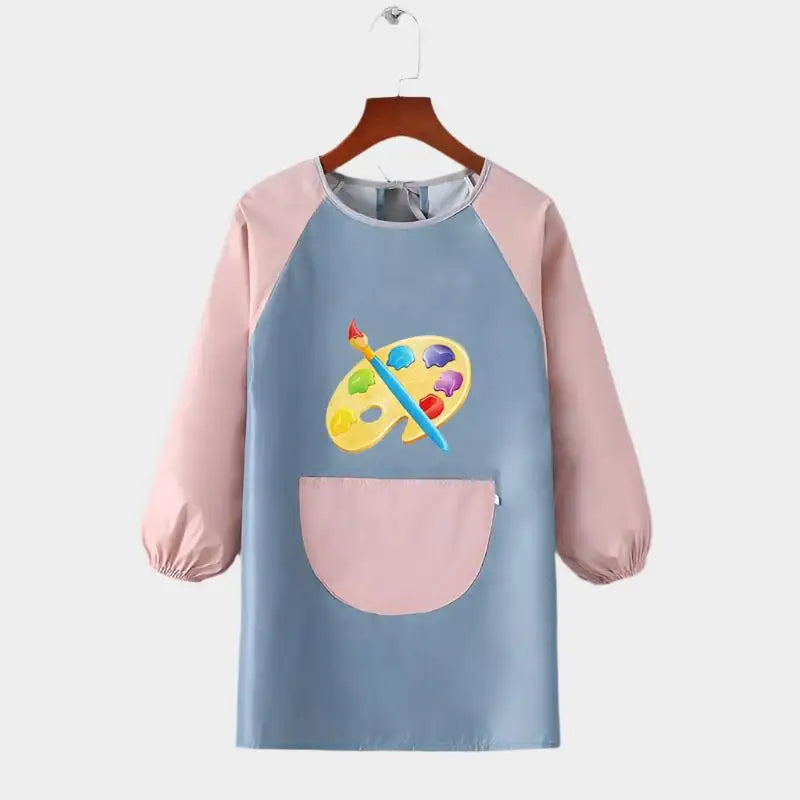
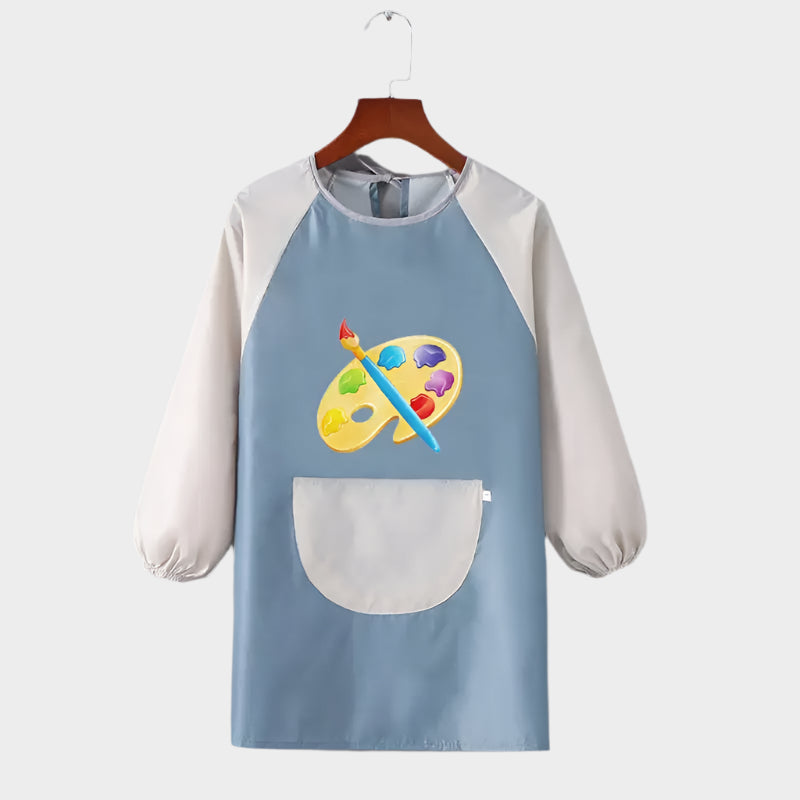
In short, it is clear that the apron is much more than a simple kitchen accessory. It can enhance your look and style, while also protecting your clothes. Whether you are looking for a women's kitchen apron or a children's painting apron, a leather apron or a Japanese apron, you will find everything you need at Le Tablier Noir. So feel free to browse their collection to find the apron that suits you best!