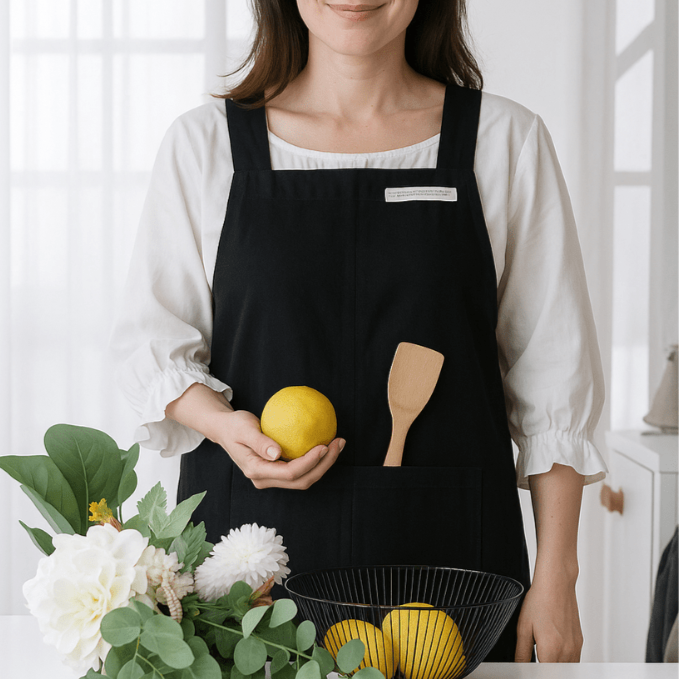
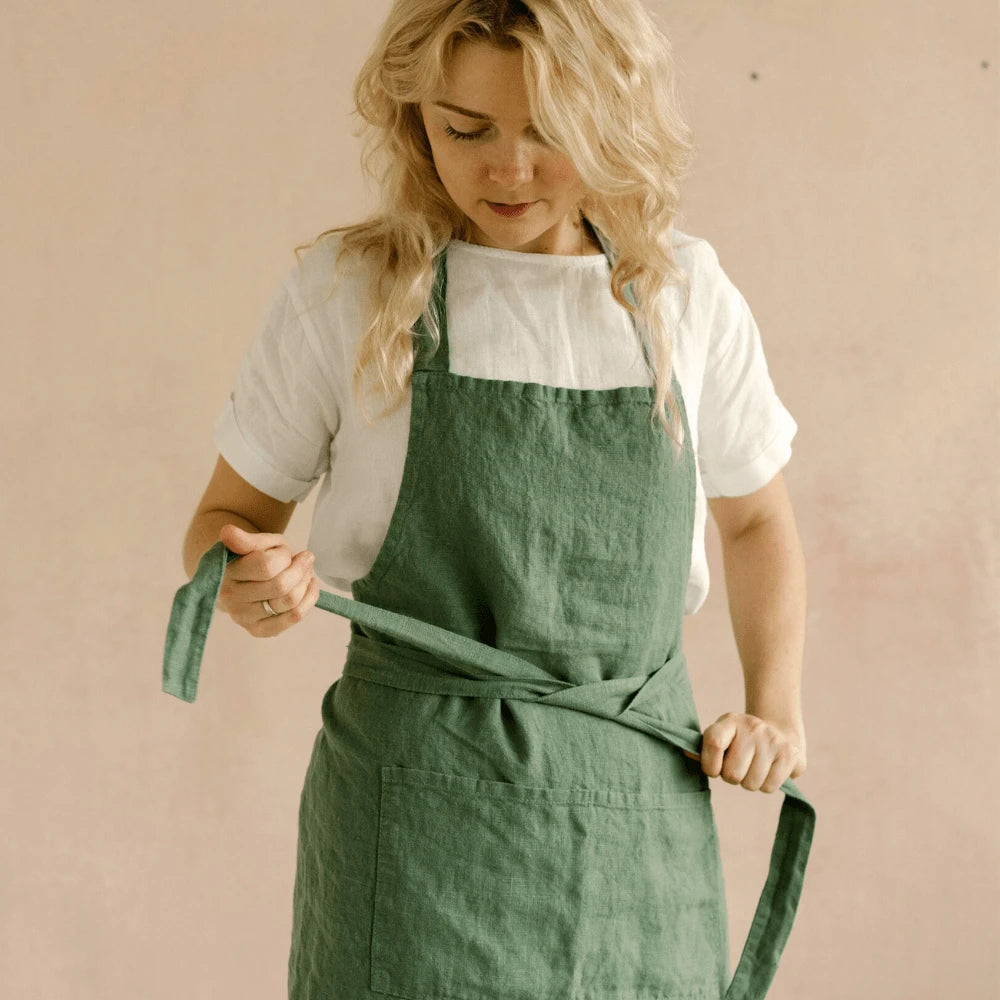
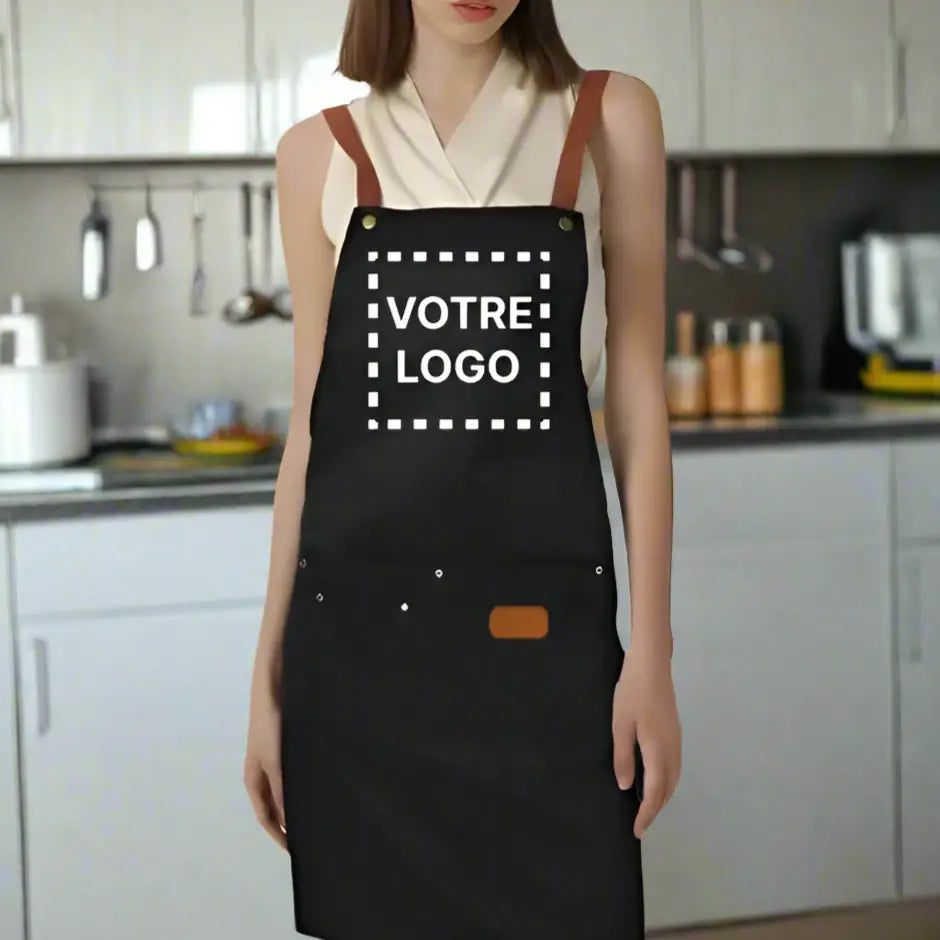
People often think a kitchen apron is just a piece of fabric that keeps tomato sauce off your favorite shirt. That's a mistake.
For home cooks and professional chefs alike, an apron is real armor. It's a work tool that has to be comfortable, it protects you from heat and cuts, and more and more often... it's a fashion accessory that shows off your personality.
But between cotton, linen, leather, bib cuts and "Japanese" styles, it's easy to get lost. Which apron should you choose for your needs? Here is our complete comparison to help you find the perfect model.
1. Material: The No. 1 Factor for Durability
Choosing the fabric shouldn't be left to chance. It determines how easy the apron is to wash, how well it resists heat and how comfortable it feels to wear.
Cotton: The Versatile Classic
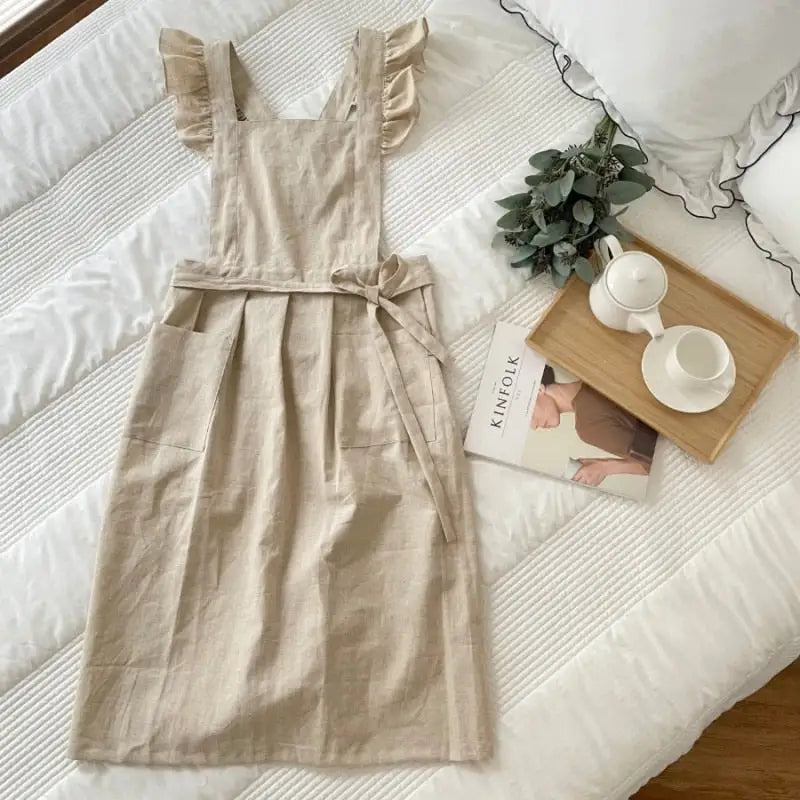
It's the most common material. A cotton apron is absorbent, breathable and comfortable.
Ideal for: Baking (it holds flour well) and everyday cooking.
Pro: Easy to machine wash at high temperatures.
Con: Can wrinkle and take a while to dry.
Linen: Elegance and Lightness
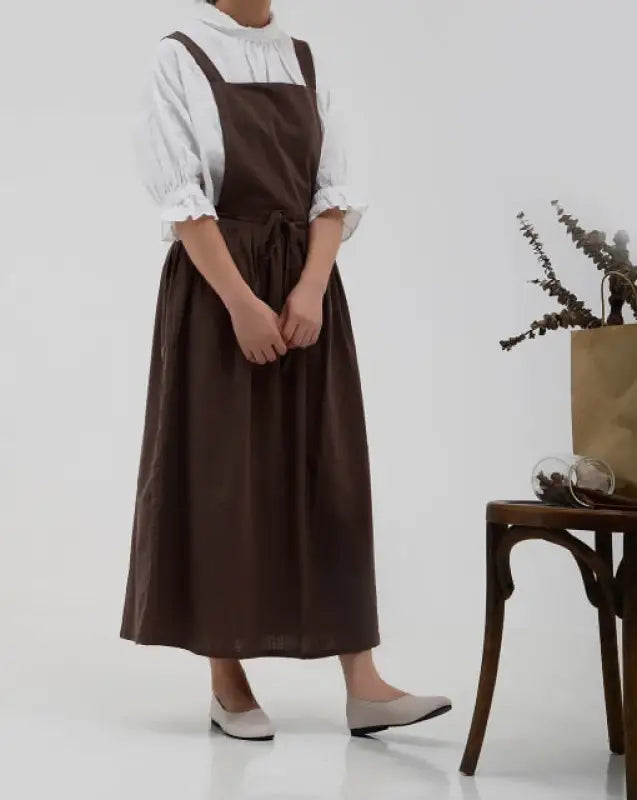
Very much on trend, linen is a natural, temperature-regulating fiber. It's light to wear, which is a real plus when things heat up at the stove.
-
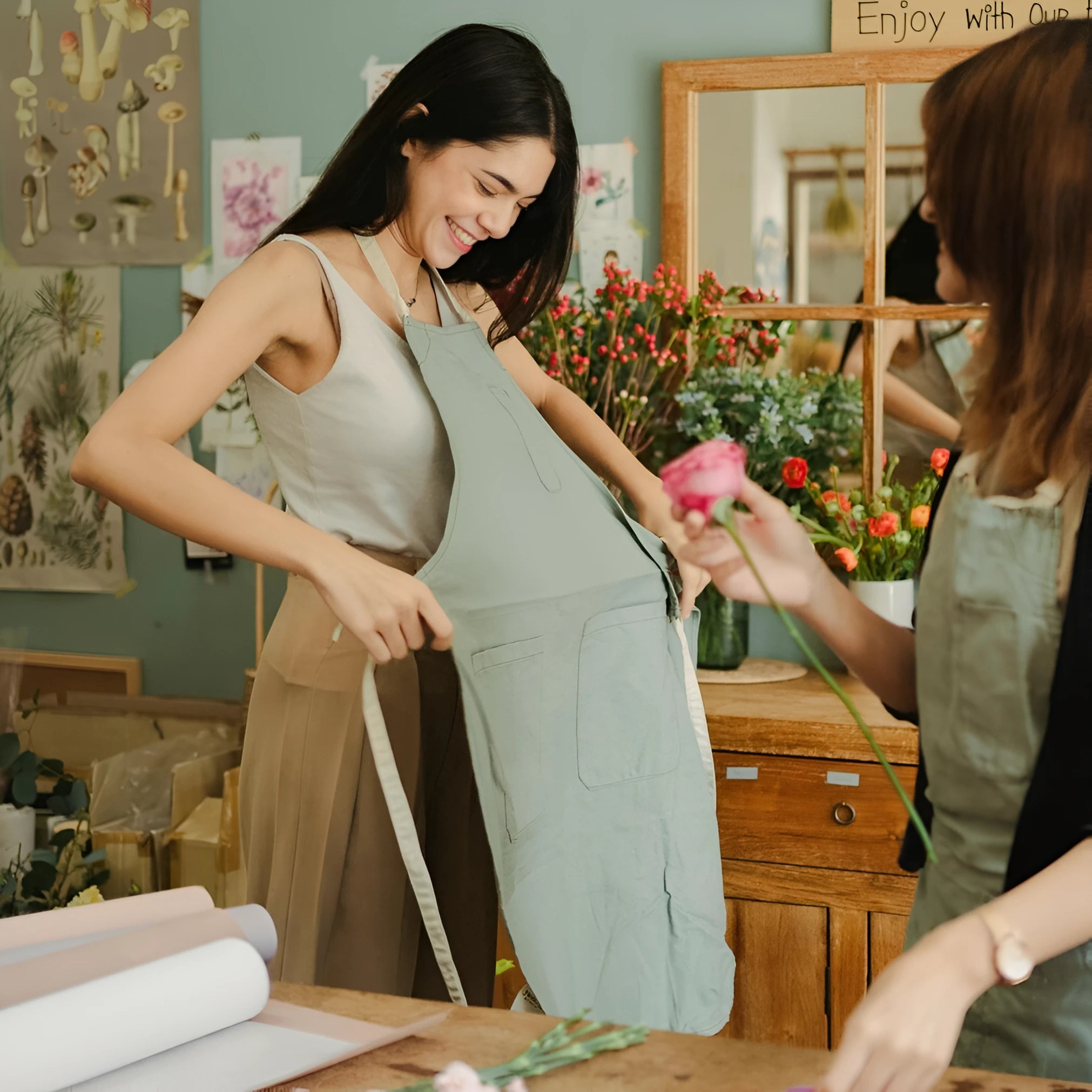
Ideal for: Table service, dinners with friends and makers (ceramicists, florists).
-
Style: It brings a relaxed, "boho-chic" look. Linen gets softer and more beautiful with every wash.
Leather or Waxed Canvas: Heavy-Duty Protection
This is serious business. These aprons are thick and heavy.
Ideal for: Barbecue (protection against embers), butchery, DIY or gardening.
Pro: A near impenetrable barrier against grease, hot splashes and sharp objects.
2. The Cut: Ergonomics and "Look"
Once you've chosen the material, look at the shape. The cut affects your freedom of movement.
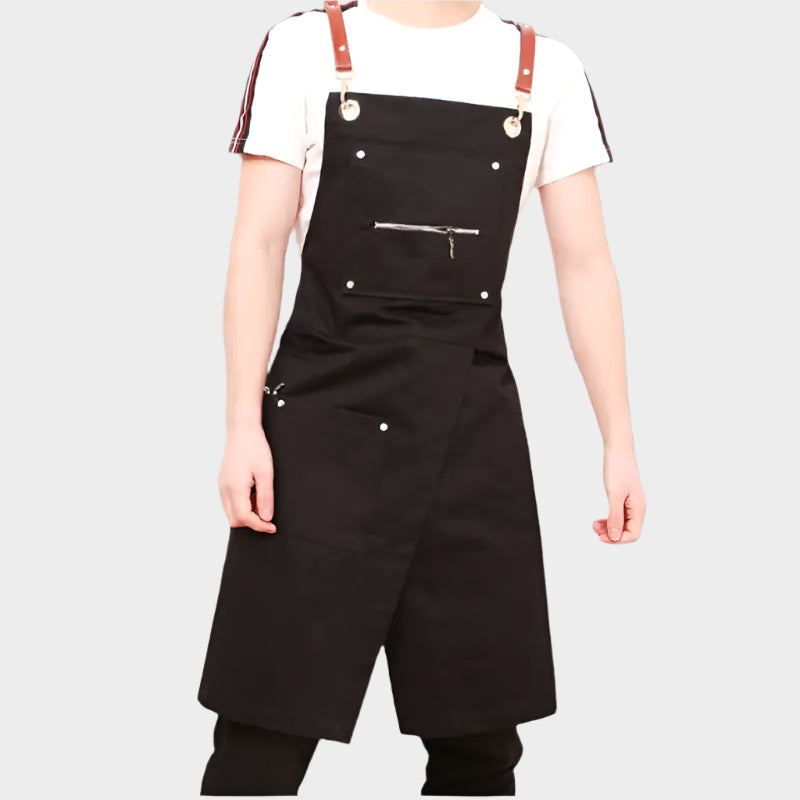
The Bib Apron
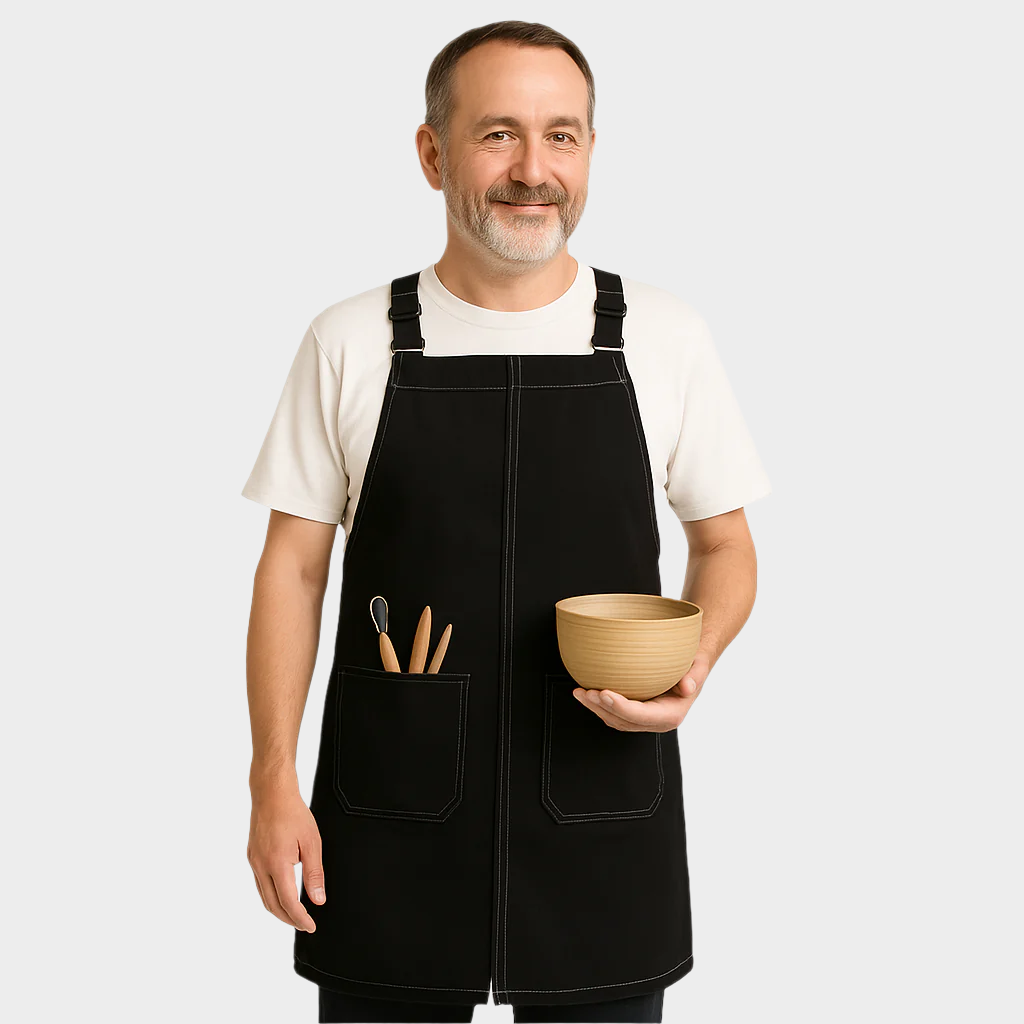
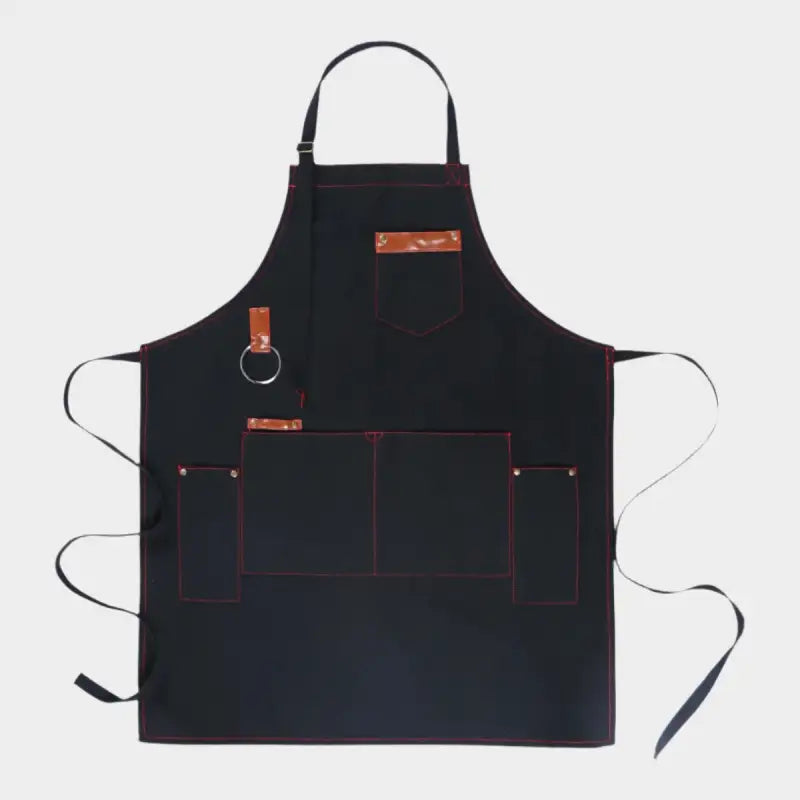
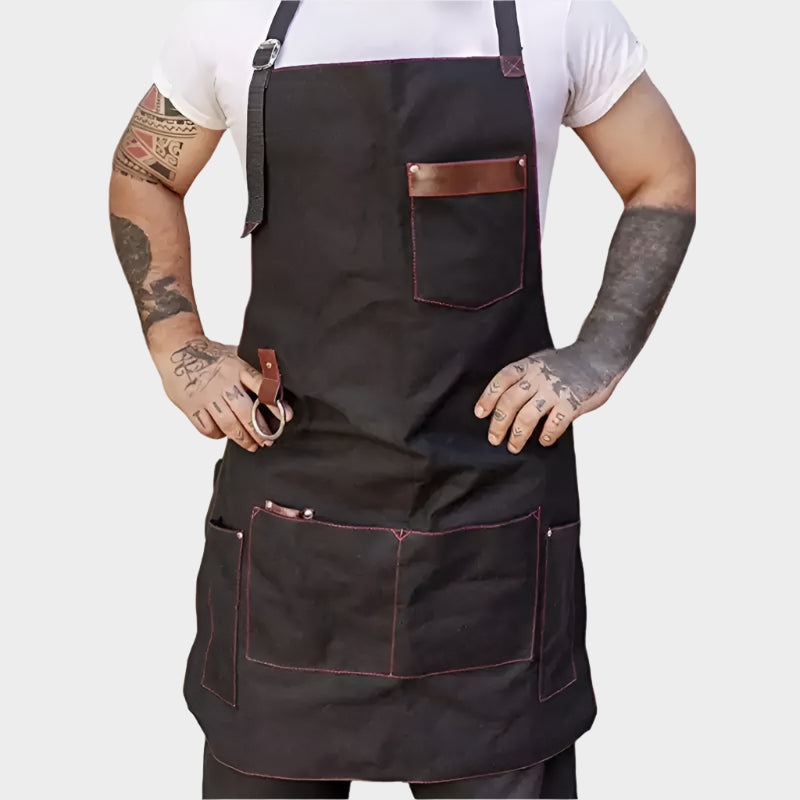
This is the standard shape everyone knows. It covers you from the chest down to the knees.
-
Why choose it? It offers maximum protection. If you cook dishes that splatter or work with flour, it's a must.
-
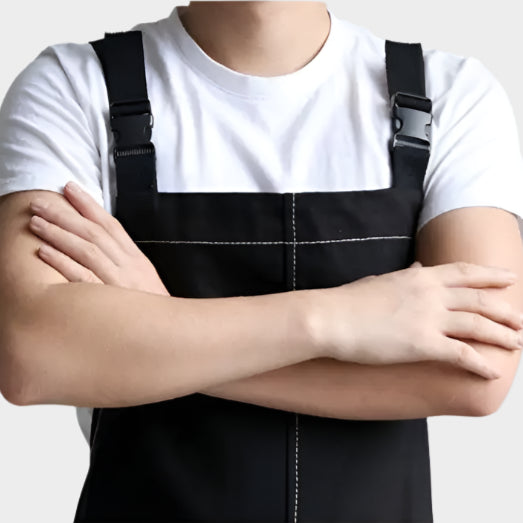
The extra touch: Go for a model with an adjustable neck strap so it sits neither too high (choking) nor too low (stains on your sweater).
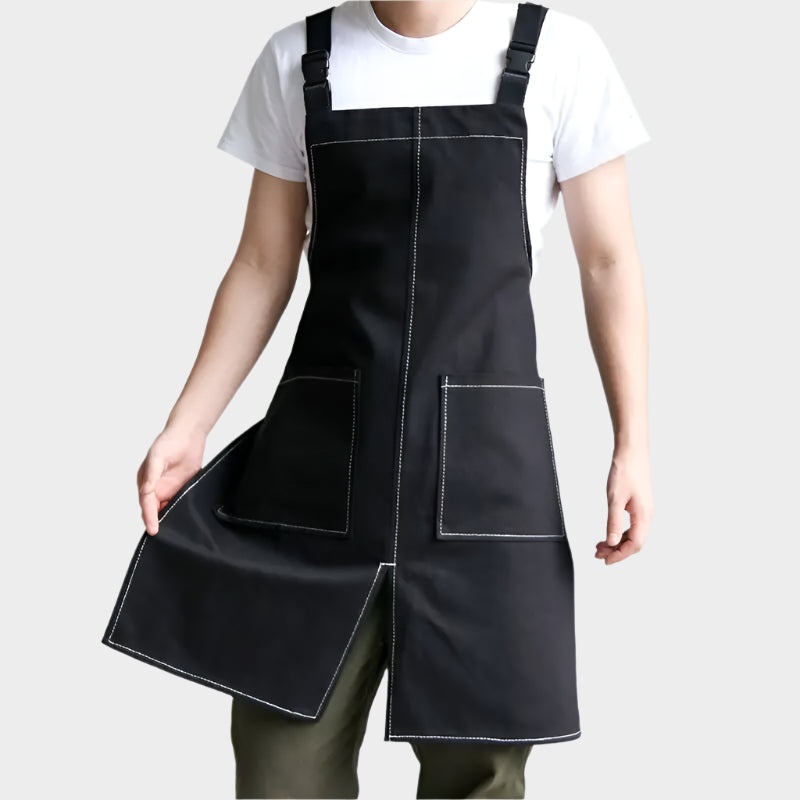
The Japanese Apron (Cross-Back)
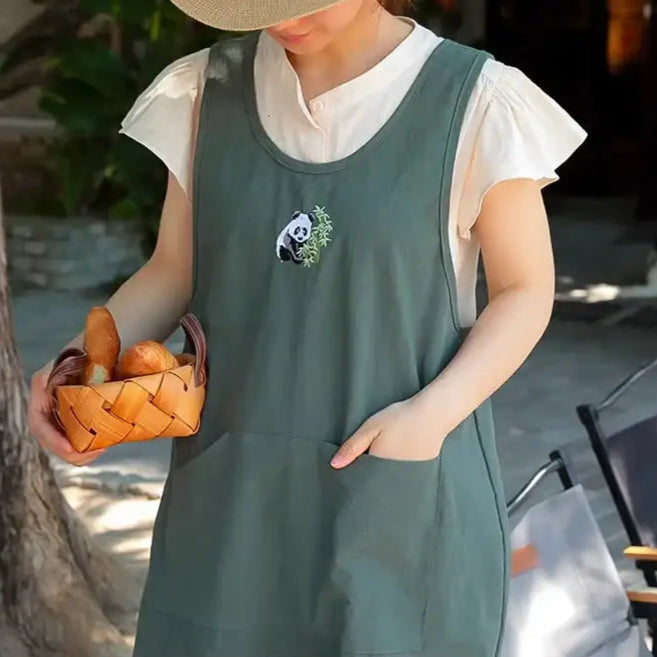
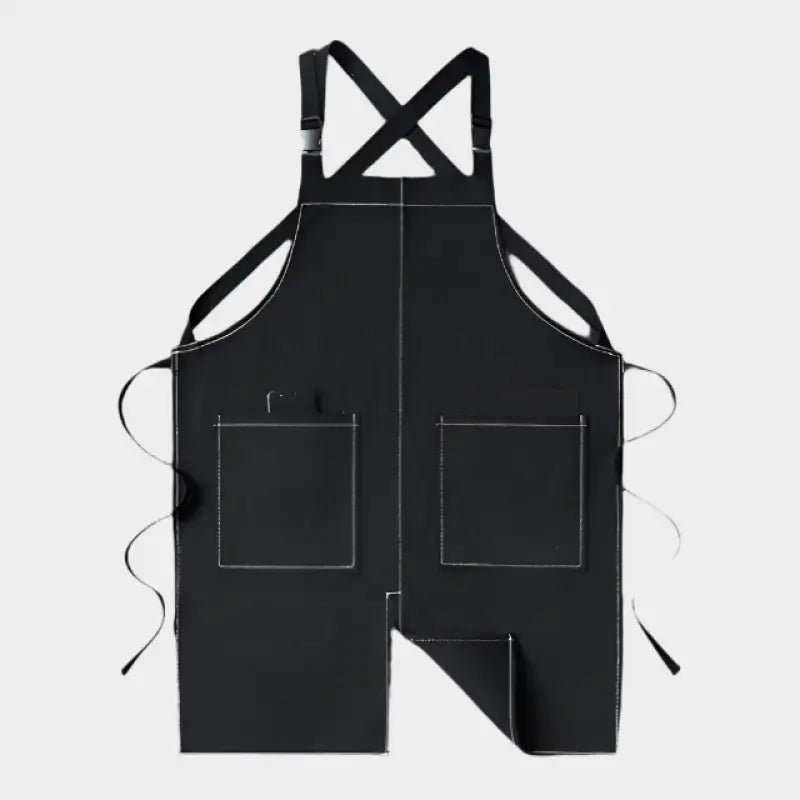
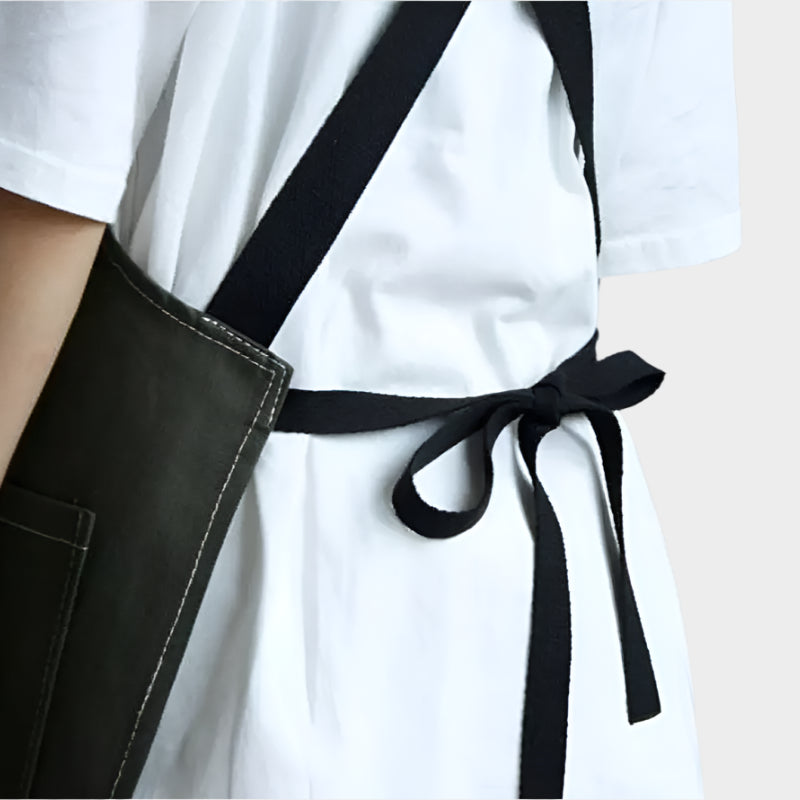
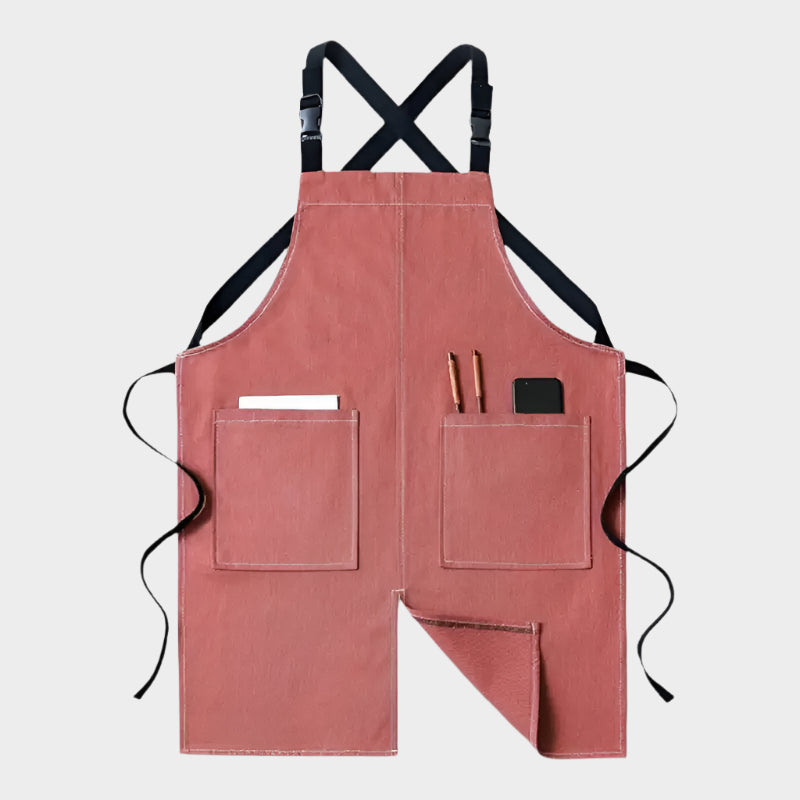
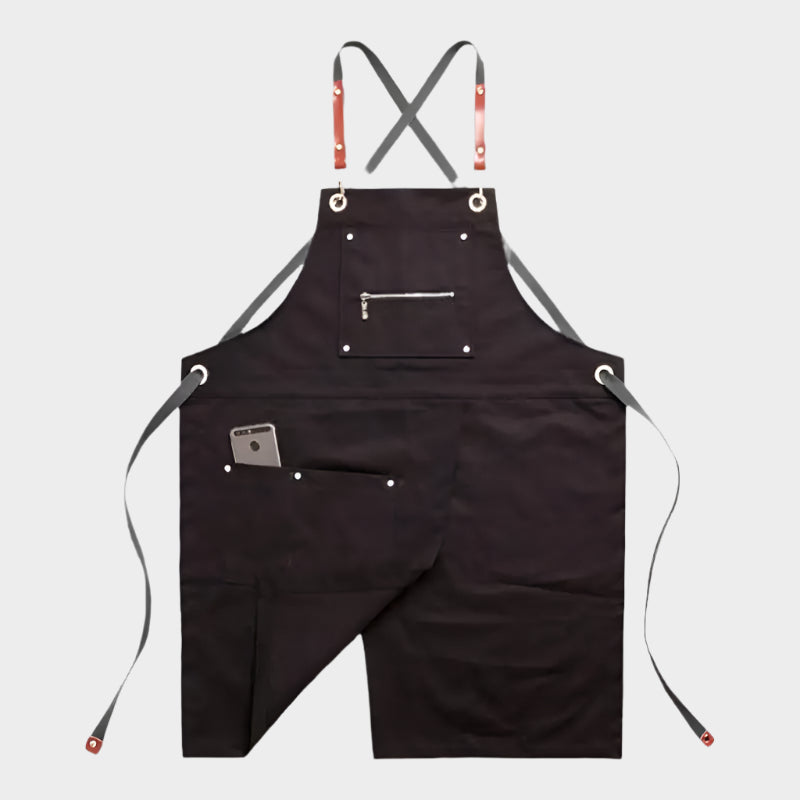
This is the big trend right now. Unlike the classic apron that ties around the neck, this one has straps that cross over the back (cross-back).
-
Why choose it? Total comfort. There is no pressure on your neck. You can wear it for 8 hours straight without any pain.
-
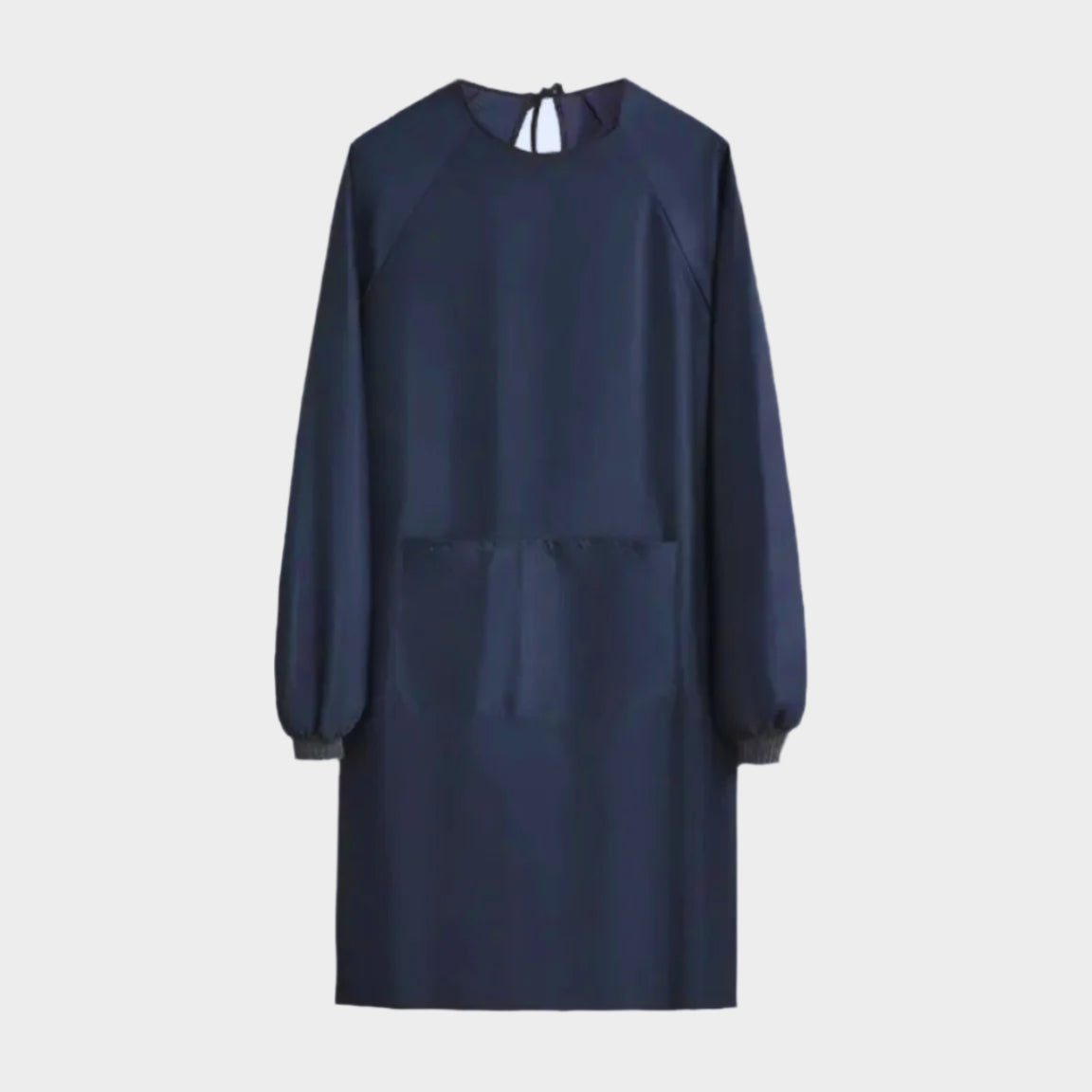
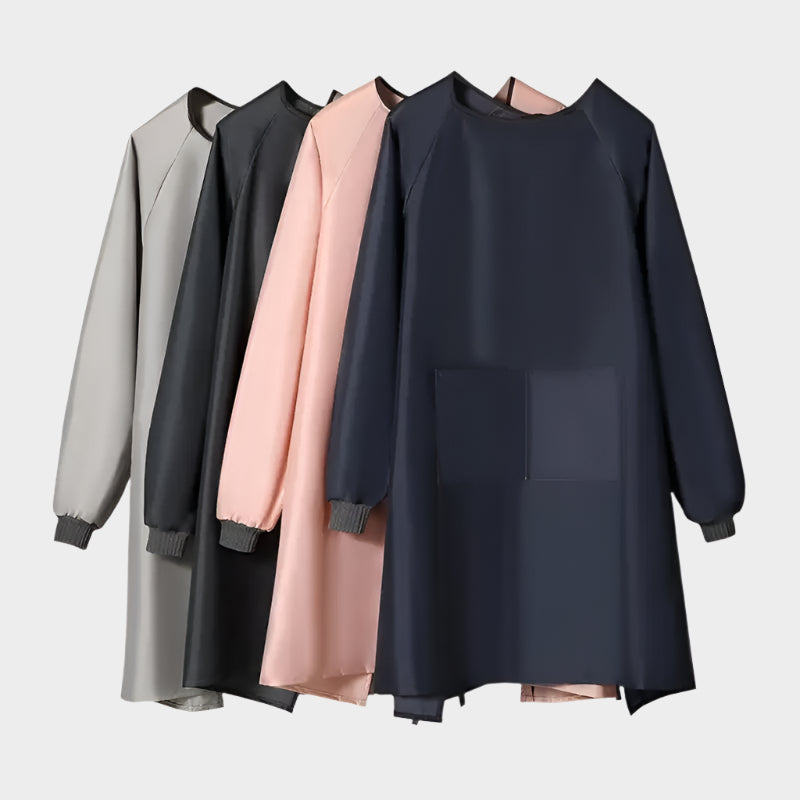
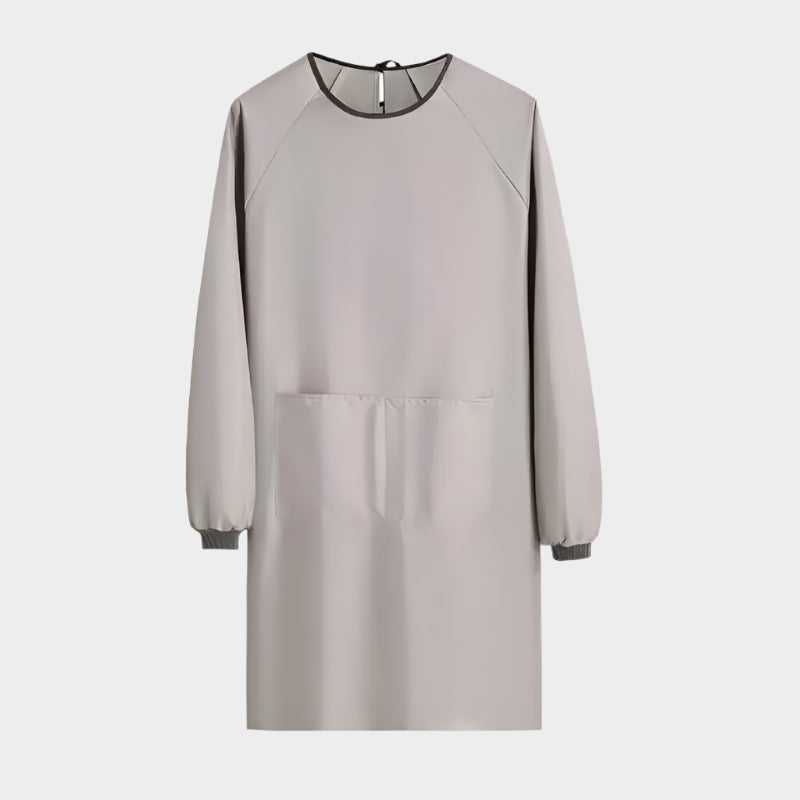
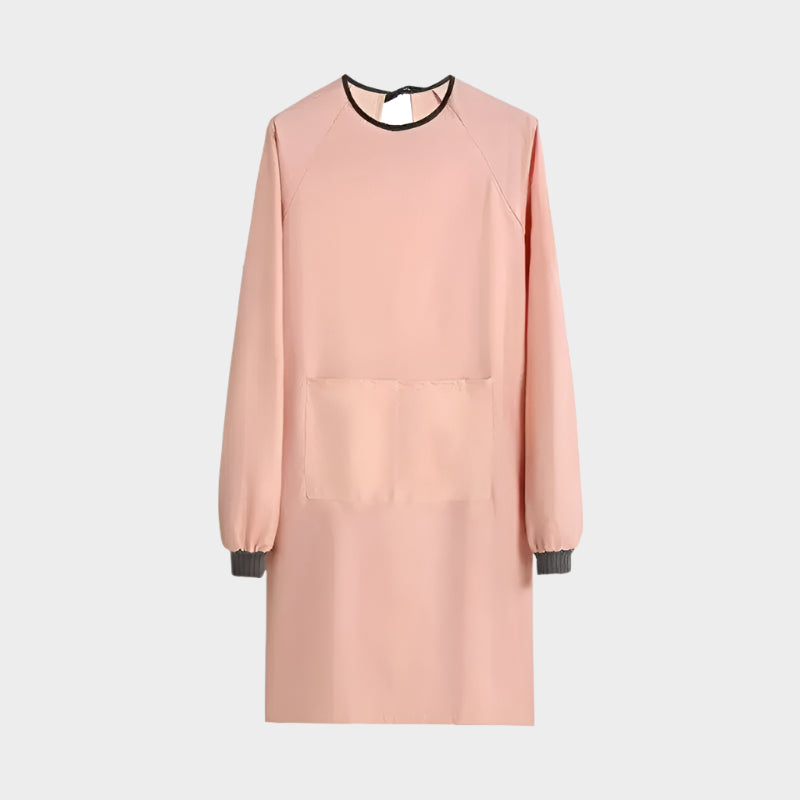
Style: You slip it on like a tunic. Very attractive, it's a favorite among artists and pregnant women for its ease of wear.
The Half Chef Apron (or Bistro Apron)
This waist apron ties around the waist and only covers the legs (no bib).
-
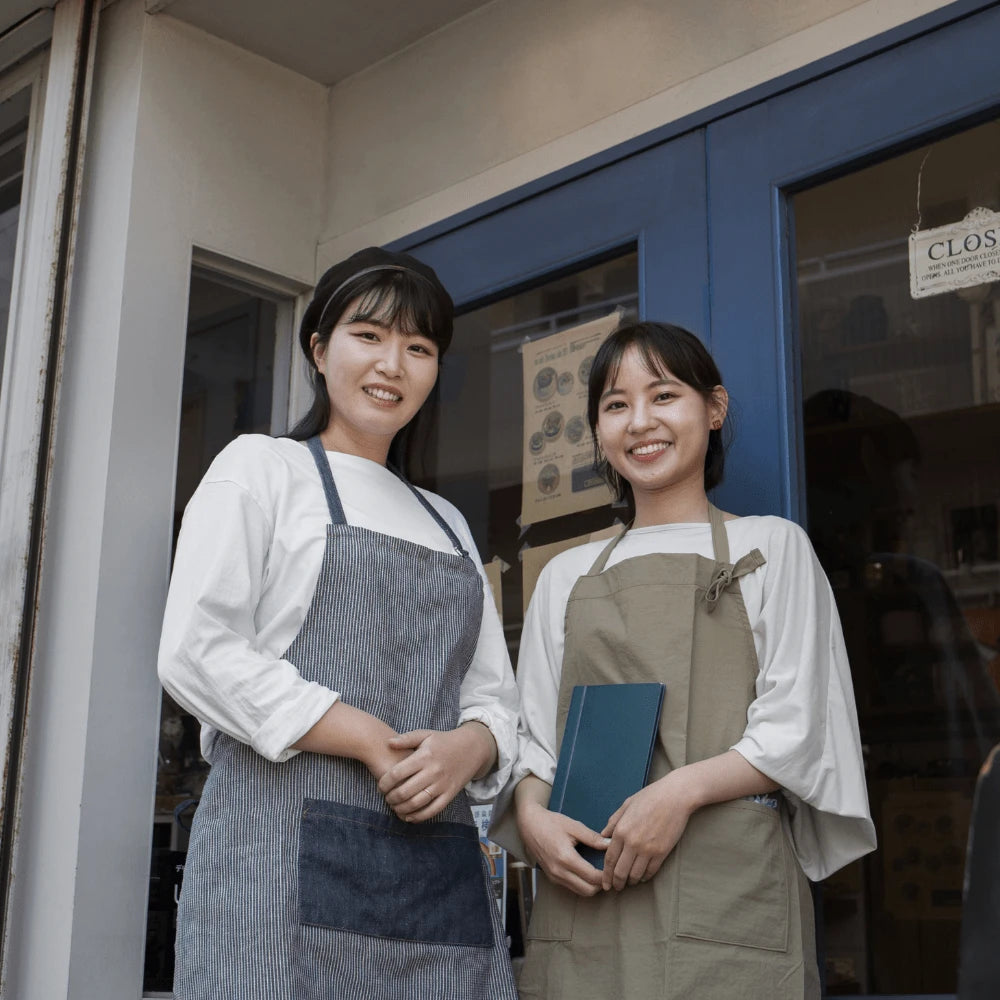
Why choose it? If you serve tables or do light prep work. It gives you that classic Parisian café waiter look. Be careful though, your shirt isn't protected!
3. The Details That Make the Difference
A good apron has to be practical. Before you buy, check these three points:
-
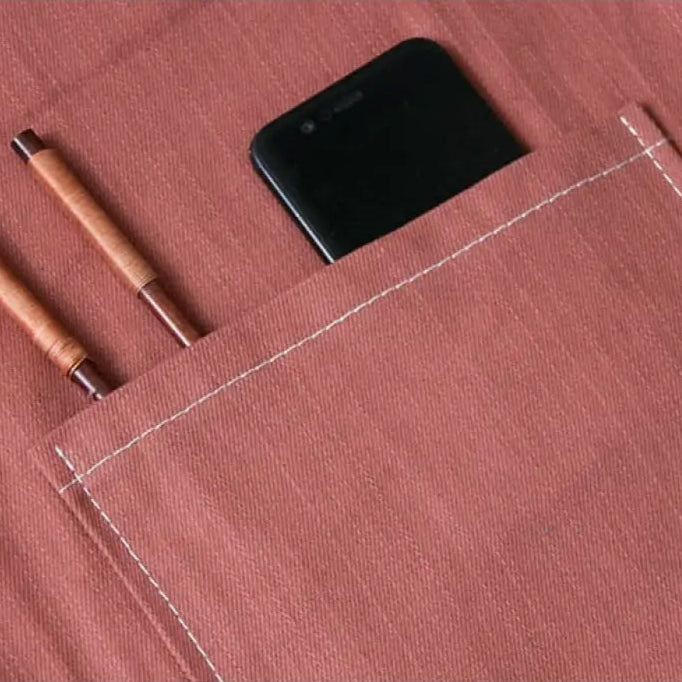
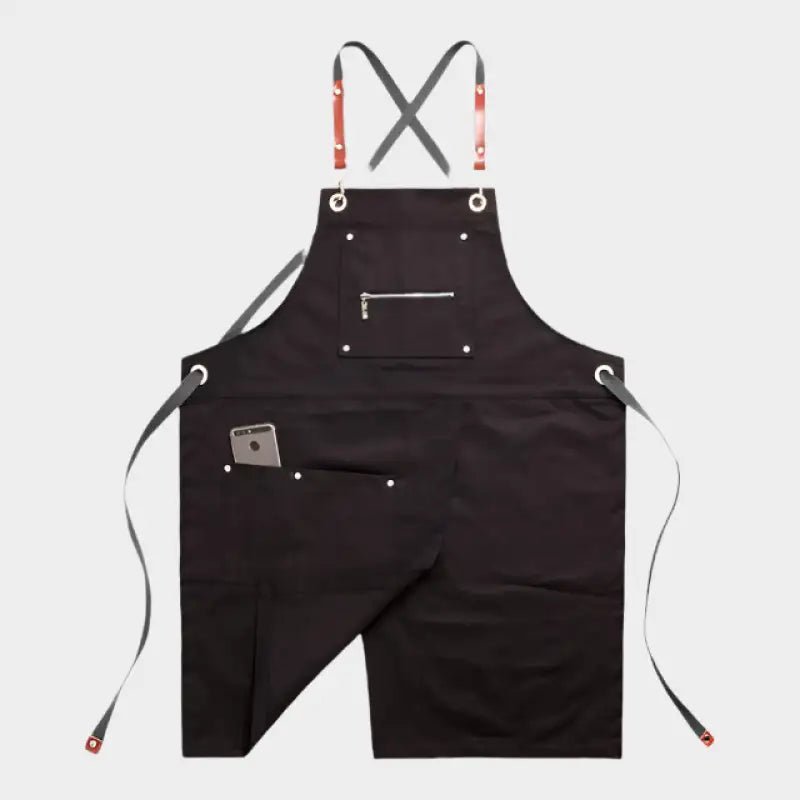
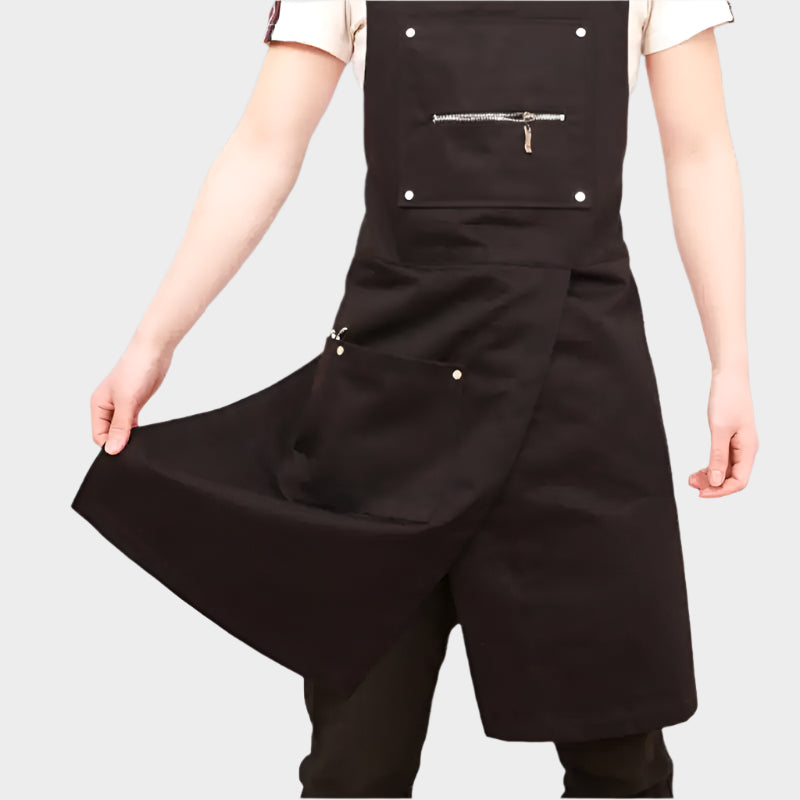
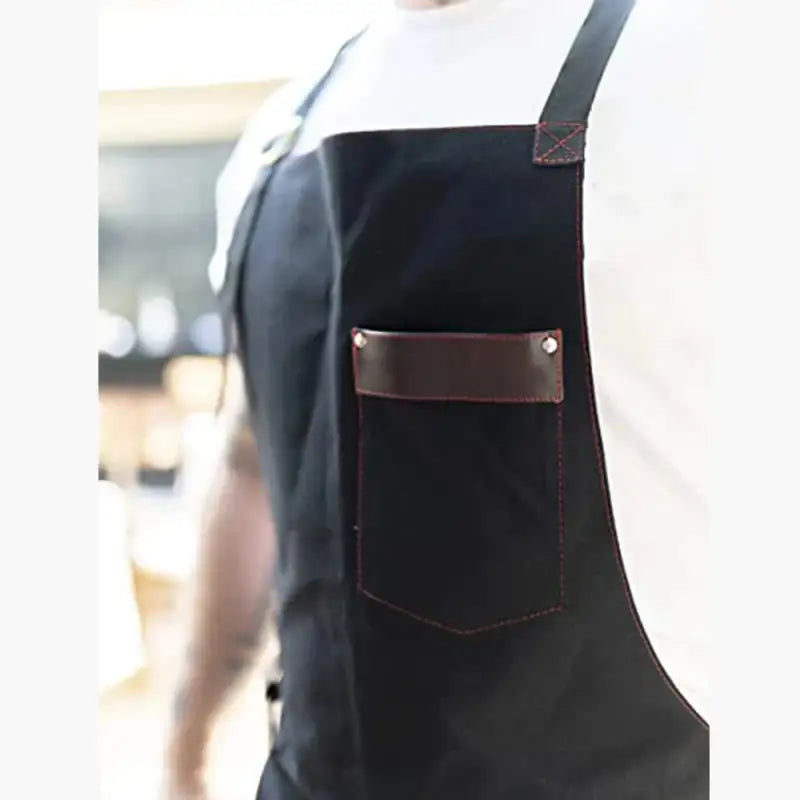
Pockets: Essential. They should be large and reinforced enough to hold a smartphone, an order pad or a cooking thermometer.
-
The towel loop: A small fabric or metal loop on the side. It keeps your hand towel within reach at all times (just like the great chefs) without it falling on the floor.
-
Tie length: Choose long ties. Why? So you can wrap them around your waist and tie the apron in front. It's easier to tighten, and it makes a great backup towel holder.
Summary: Which Apron Is Right for You?
To help you decide, here is our quick recommendation:
| Your Profile | Your Ideal Apron |
| The Baker | Cotton bib apron (flour protection) |
| The Grill Master | Leather or heavy canvas apron (heat protection) |
| The Elegant Host | Linen Japanese apron (style and comfort) |
| The Pro Chef | Poly-cotton bib apron (wash resistance) |
Ready to Gear Up?
A good apron is an investment that will stay with you for years. Whether it's washed linen for style or heavy canvas for toughness, choose the one that makes you want to get behind the stove!
See the full Le Tablier du Chef apron collection.